Author: Elen

  • Mythical animals: reimagining nature through abstraction and narrative

    Mythical animals: reimagining nature through abstraction and narrative

    Elen Hughes of Premier Digital Textiles examines how animal prints are evolving beyond realism in 2026, blending abstraction, fantasy and technical precision to create immersive, narrative-led surfaces.


    Animal prints are undergoing a decisive transformation. In 2026, designers are moving well beyond literal interpretations of nature and into a space shaped by abstraction, fantasy and imagination. What once relied on recognisable skins and familiar markings is now being reworked into something more expressive, layered and narrative-driven.

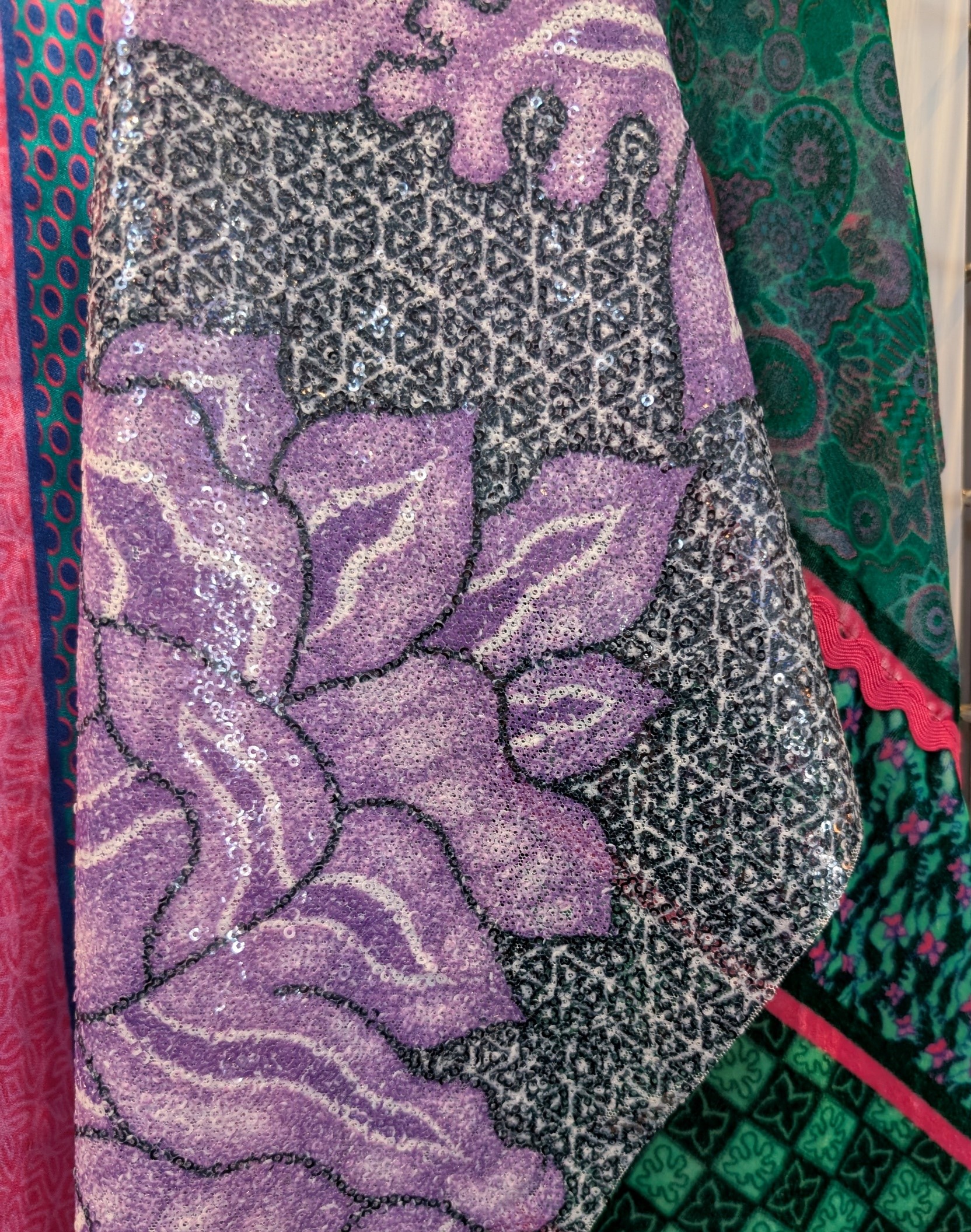
    At Premier Digital Textiles, we are seeing a clear shift away from realism as the primary objective. Traditional references such as leopard, snake and reptile skins still provide a starting point, but they are rarely reproduced directly. Instead, they are layered, recoloured, distorted and combined with other motifs to create hybrid surfaces that feel otherworldly rather than representational. These designs often suggest mythical creatures, imagined habitats or environments that sit somewhere between the organic and the surreal.

    This evolution reflects a broader cultural appetite for escapism. Designers are no longer interested in replicating what already exists. They are using animal-inspired textures as a foundation for storytelling, constructing surfaces that invite interpretation rather than immediate recognition. The familiar becomes unfamiliar. The natural becomes imaginative.

    From a production standpoint, mythical animal prints are among the most demanding categories to execute successfully. They typically combine multiple textures, tonal gradients and varying scales within a single composition. Fine markings sit alongside soft transitions. Colour shifts are subtle and layered rather than bold and flat. Repeats may be concealed within dense, complex structures.

    This level of detail leaves very little room for inconsistency. Without precise fabric preparation, designs can quickly lose their integrity. Fine lines blur. Tonal variation flattens. Textural contrast diminishes. What should feel immersive and rich becomes visually confused.

    This is where digitally prepared fabrics such as PrepRITE are essential. Engineered specifically for digital print, PrepRITE fabrics provide predictable ink behaviour, surface stability and repeat accuracy. Fine details remain sharp, even in dense or highly layered designs. Tonal transitions stay smooth and controlled, allowing depth to build naturally across the surface.


    For designers, this technical reliability is not simply a production advantage. It is what unlocks creative freedom. When they trust how a fabric will perform, they can push abstraction further, experiment with unconventional colour palettes and manipulate scale without fear of losing clarity.

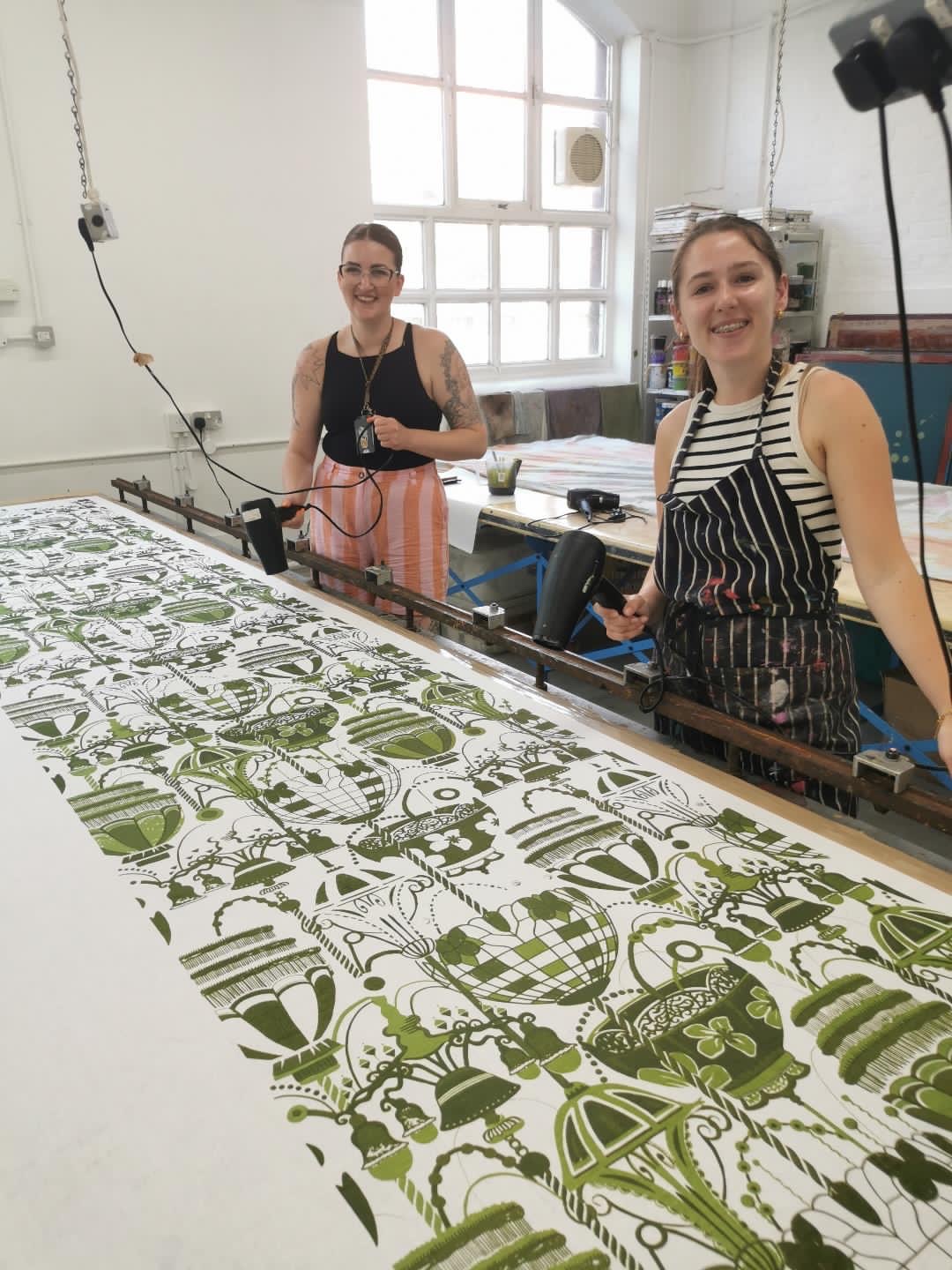
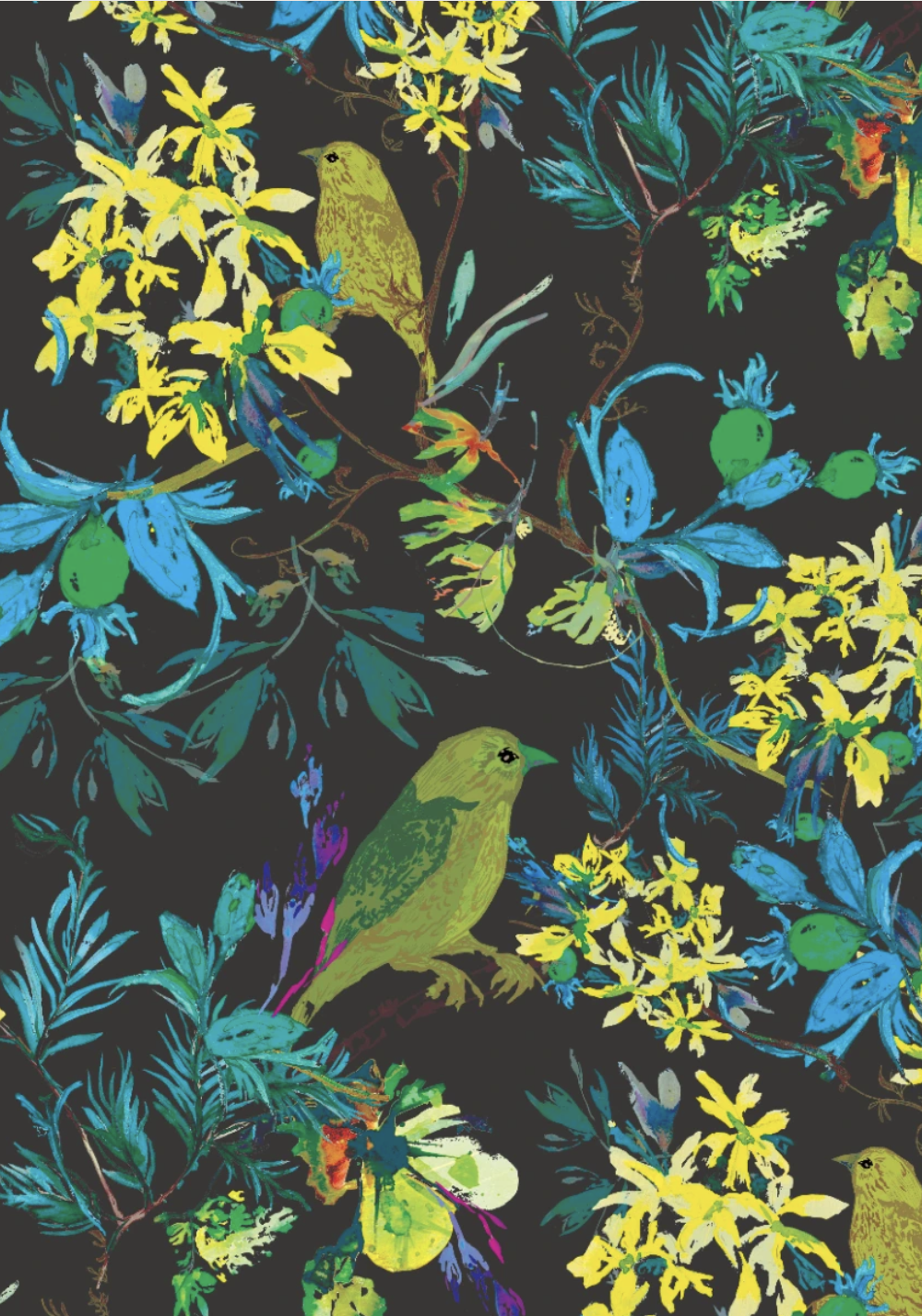
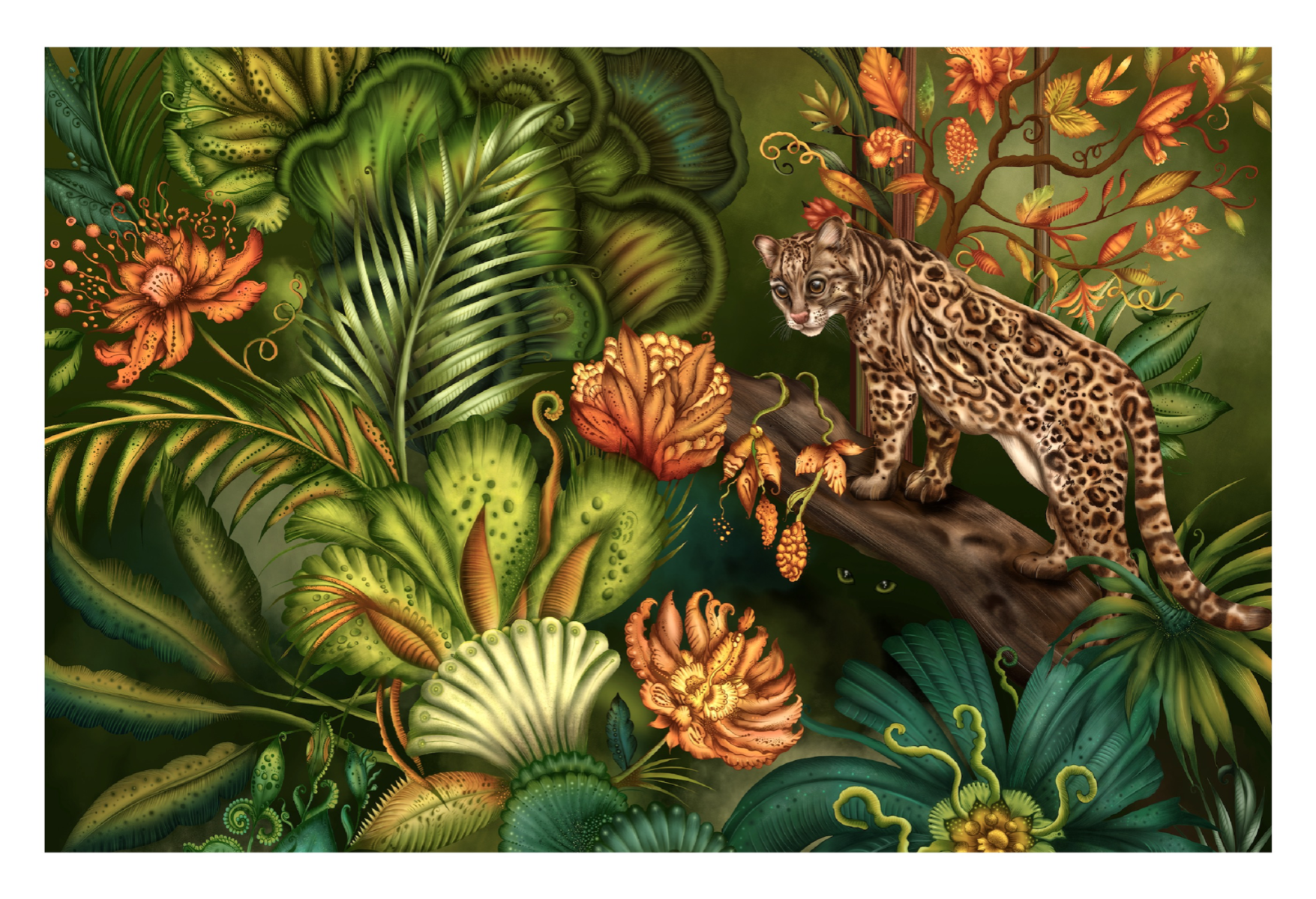
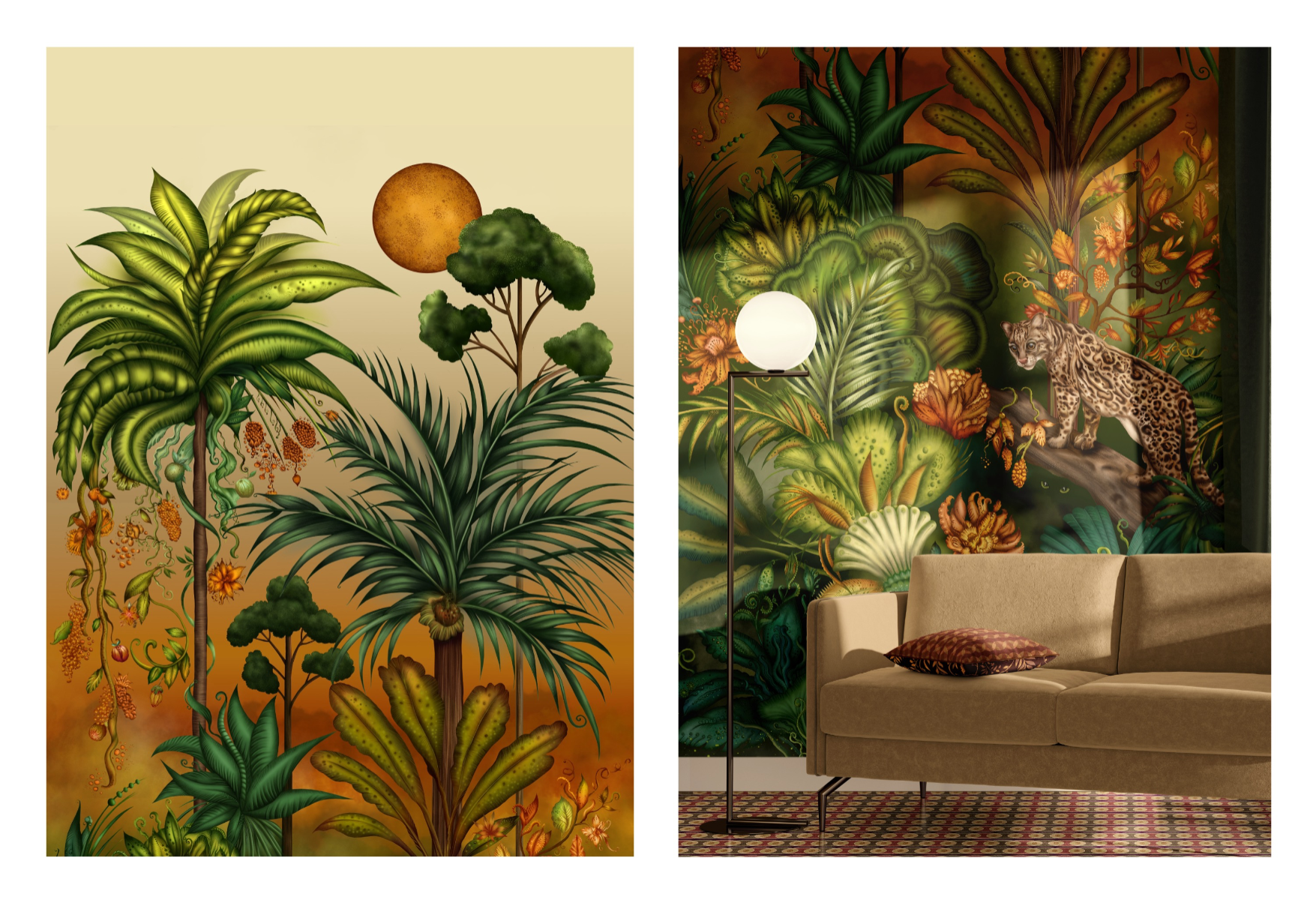
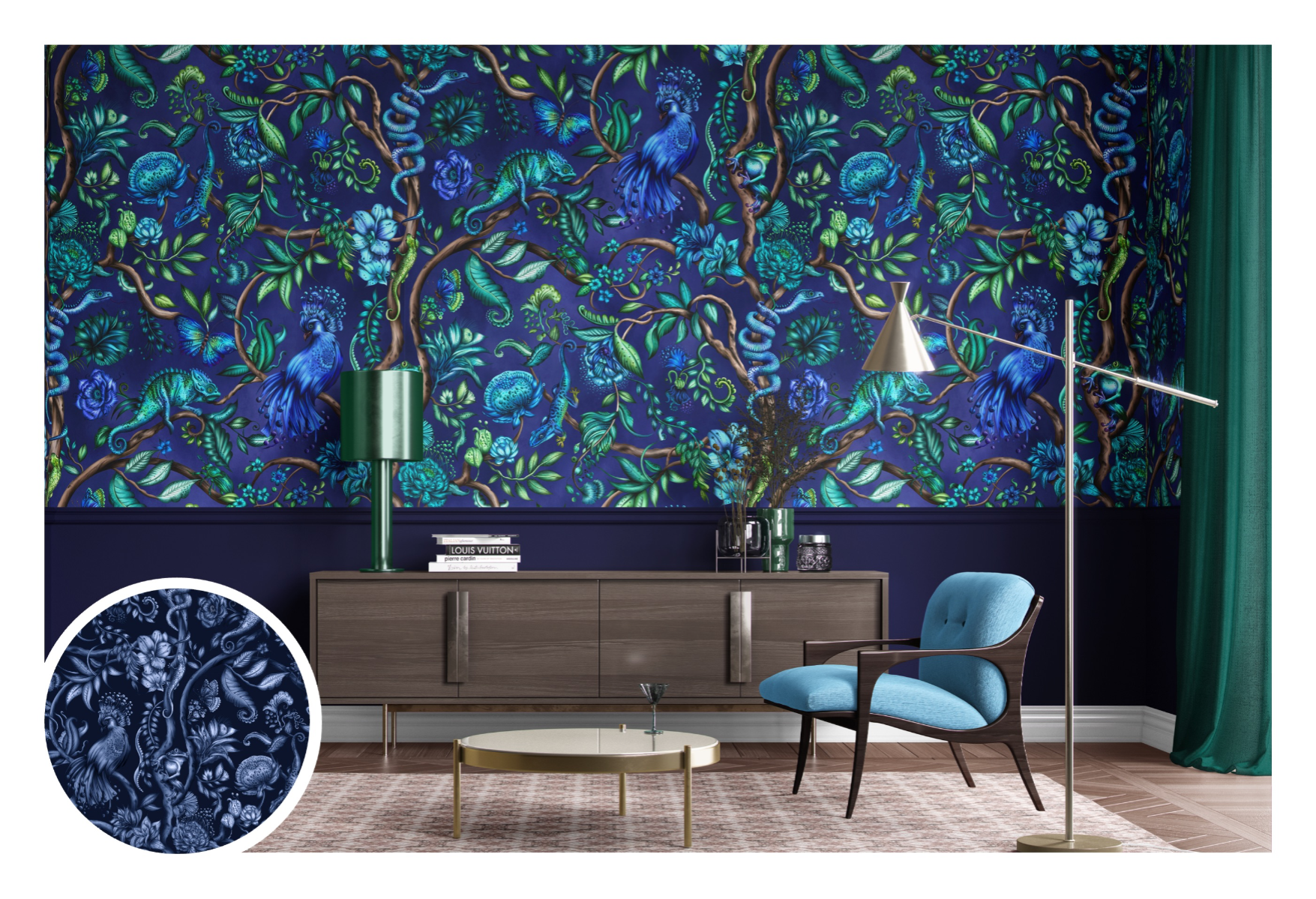
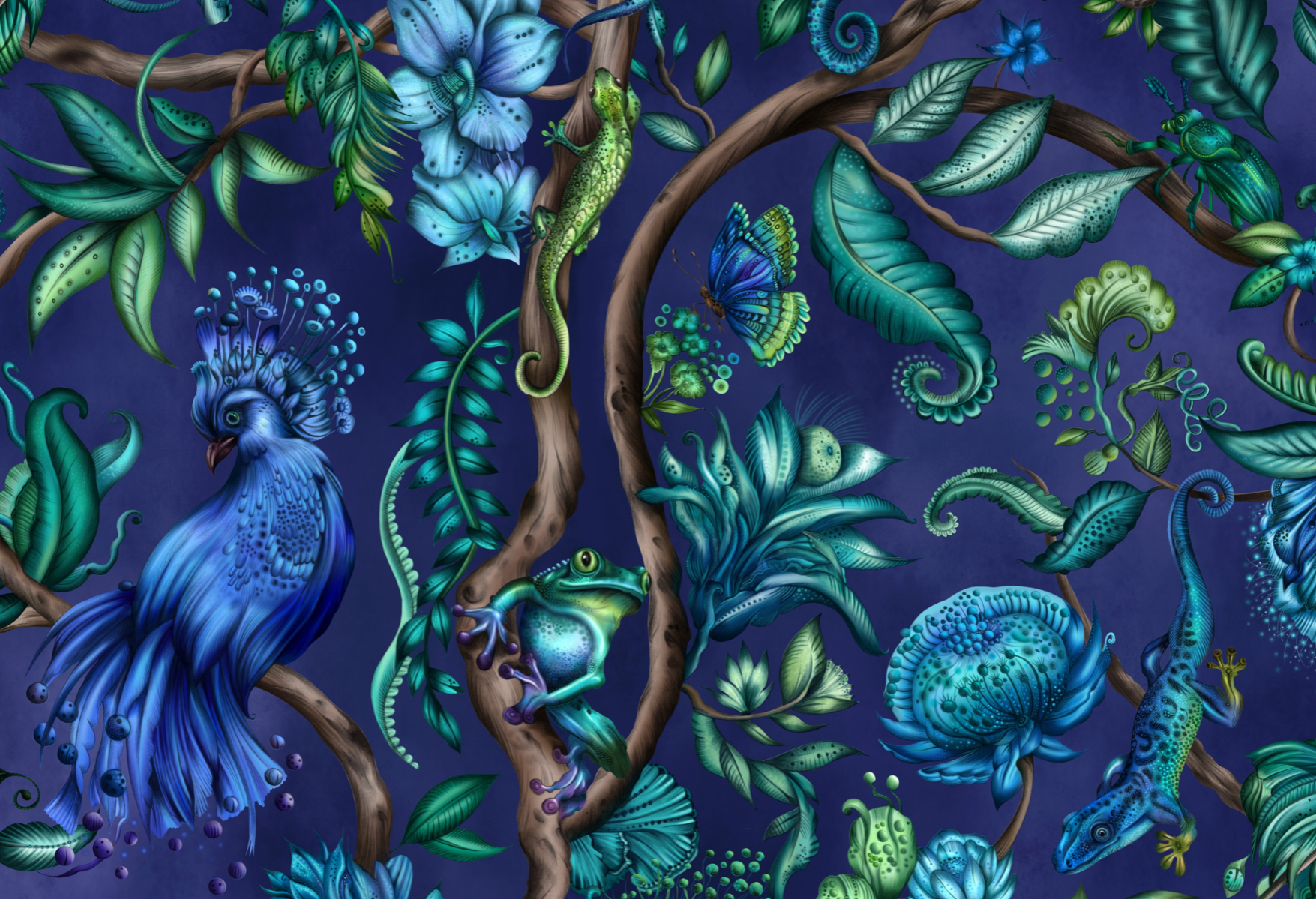
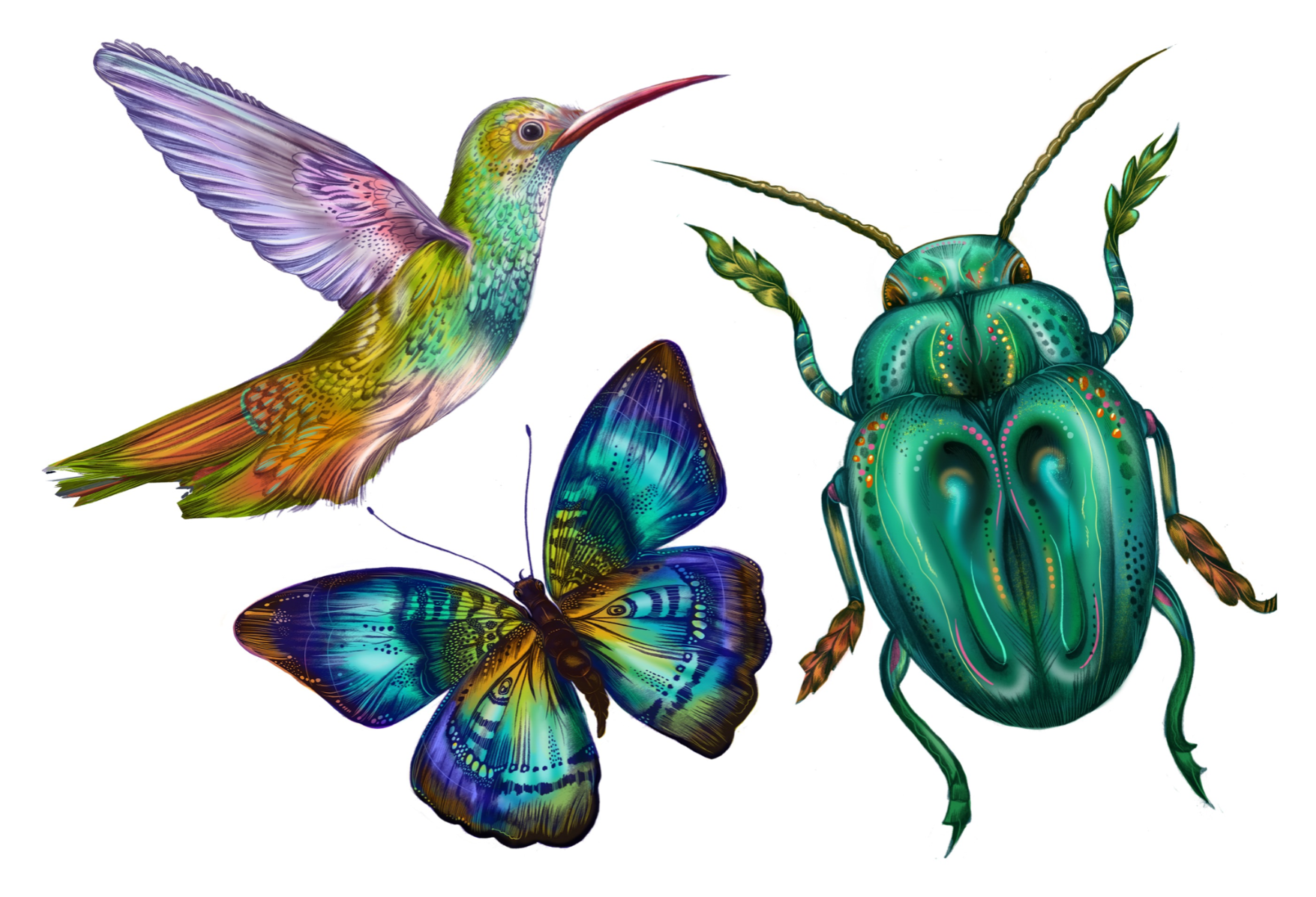
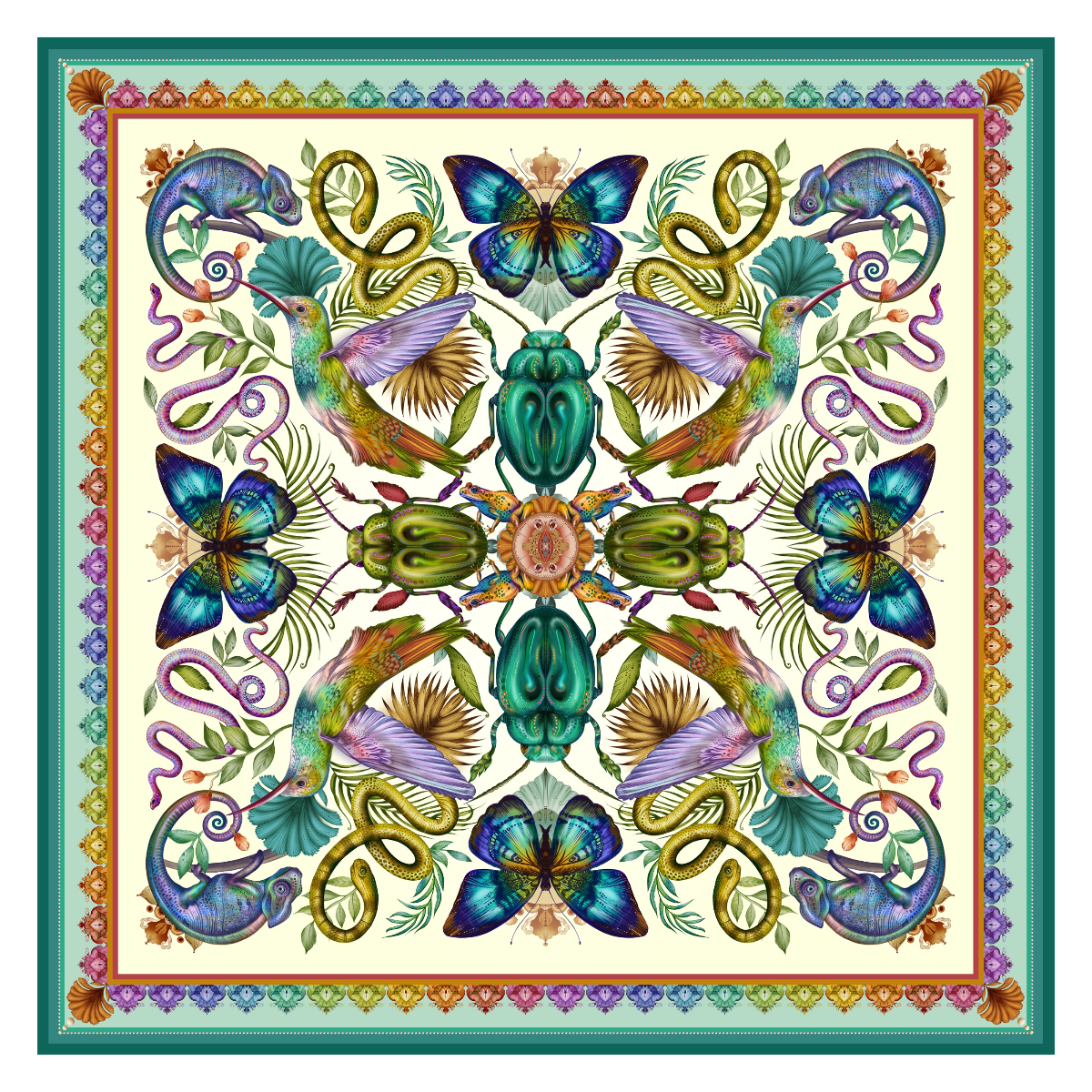
    Designer Beth Lingard adds a complementary vision to this trend with her Dusk Till Dawn collection. As she explains, “This luxurious collection of wallcoverings and furnishing designs offers an escape from the everyday, immersing you in nature’s embrace and revealing the beauty of fantastical flora and mystical creatures within a vibrant paradise.” Lingard’s work exemplifies the narrative-driven approach of 2026, blending richly imagined environments with intricate textures and colour layers, creating surfaces that transport the viewer into a world that feels both magical and tangible.

    At Premier Digital Textiles, we view mythical animal prints as an evolution of storytelling through pattern. These designs move beyond decoration into narrative territory. They suggest worlds, creatures and environments that do not quite exist, encouraging the viewer to imagine rather than identify. The surface becomes immersive rather than illustrative.

    This approach aligns with a wider shift in print and pattern design, where surfaces are expected to carry emotion and meaning. Mythical animal prints blend familiar natural references with fantasy, creating work that feels grounded yet imaginative, dramatic yet considered.

    In 2026, mythical animals are not about imitation. They are about interpretation. They reflect a maturing design landscape where technical precision and creative storytelling operate together.

    When supported by the right material infrastructure, designers are free to explore this imaginative territory without technical limitation. The result is animal-inspired print that feels contemporary, expressive and emotionally rich, offering depth, escapism and longevity rather than novelty alone.

  • Embracing imperfection: why human marks matter more in the age of AI

    Embracing imperfection: why human marks matter more in the age of AI

    As automation reshapes creative workflows, imperfection is emerging as a defining force in 2026 print and pattern design. In this piece, Elen Hughes of Premier Digital Textiles examines why technical control is essential to preserving human character in an increasingly automated landscape.


    As automation and artificial intelligence become increasingly embedded in creative workflows, imperfection has emerged as one of the most significant design values shaping 2026. Imperfection does not necessarily mean flawed; rather, it reflects how the hand is used, the deliberate pressure, rhythm and variation that bring character and individuality to a design. What we are seeing from designers is not a rejection of technology, but a recalibration of it. The conversation is shifting from what digital tools can perfect to what they must deliberately leave untouched.

    This article aligns with the broader themes explored in ‘Art Meets Technology: The Quiet Evolution of Digital Print in 2026’, particularly the emphasis on material discipline, technical mastery and the intelligent use of digital tools. However, while that piece focuses on control, precision and the foundations that allow complex digital work to succeed, this article examines a different yet complementary shift: the deliberate embrace of imperfection as a creative value. Together, they reflect two sides of the same evolution in 2026 design, one centred on technical refinement and the other on expressive authenticity, both supported by a mature understanding of technology rather than driven by it.

    Across interiors, fashion and surface design, hand drawn marks, irregular line work and organic textures are being reintroduced with intention. These elements interrupt uniformity. They create pause. They signal authorship. In a digital environment where smooth gradients and flawless repeats are easily achieved, imperfection becomes a conscious design choice rather than an oversight.


    This shift reflects something deeper than aesthetics. Designers are responding to a broader cultural desire for authenticity. As AI-generated imagery becomes more prevalent, the value of the human hand increases. Irregularity, subtle asymmetry and tactile texture communicate intuition and individuality. They tell the viewer that a design has been considered, shaped and refined by a person rather than generated at scale.

    However, from a production perspective, imperfection presents a technical challenge. Irregularity only works when it is intentional and controlled. Without the right fabric preparation, subtle design nuances can quickly become unintended flaws. Uneven ink absorption, inconsistent colour density or surface instability can distort delicate hand drawn elements and flatten organic textures.

    This is where digitally prepared fabrics become critical. At Premier Digital Textiles, PrepRITE fabrics are engineered specifically for digital print, providing predictable ink behaviour and consistent surface performance. This reliability allows imperfect elements to be reproduced faithfully. Fine lines remain defined. Layered textures retain their character. Organic marks hold their subtle variation without breaking down across repeat runs.

    There is nothing accidental about successful imperfection. It requires technical discipline to preserve the integrity of irregular forms. When the base fabric behaves consistently, designers can confidently incorporate hand drawn elements and expressive distortions without compromising clarity or repeat accuracy.


    In 2026, imperfection is not about roughness for its own sake. It is about intention. It is about balancing precision with personality. Designers are choosing imperfection as a way to reintroduce warmth and emotional depth into an increasingly automated visual culture.

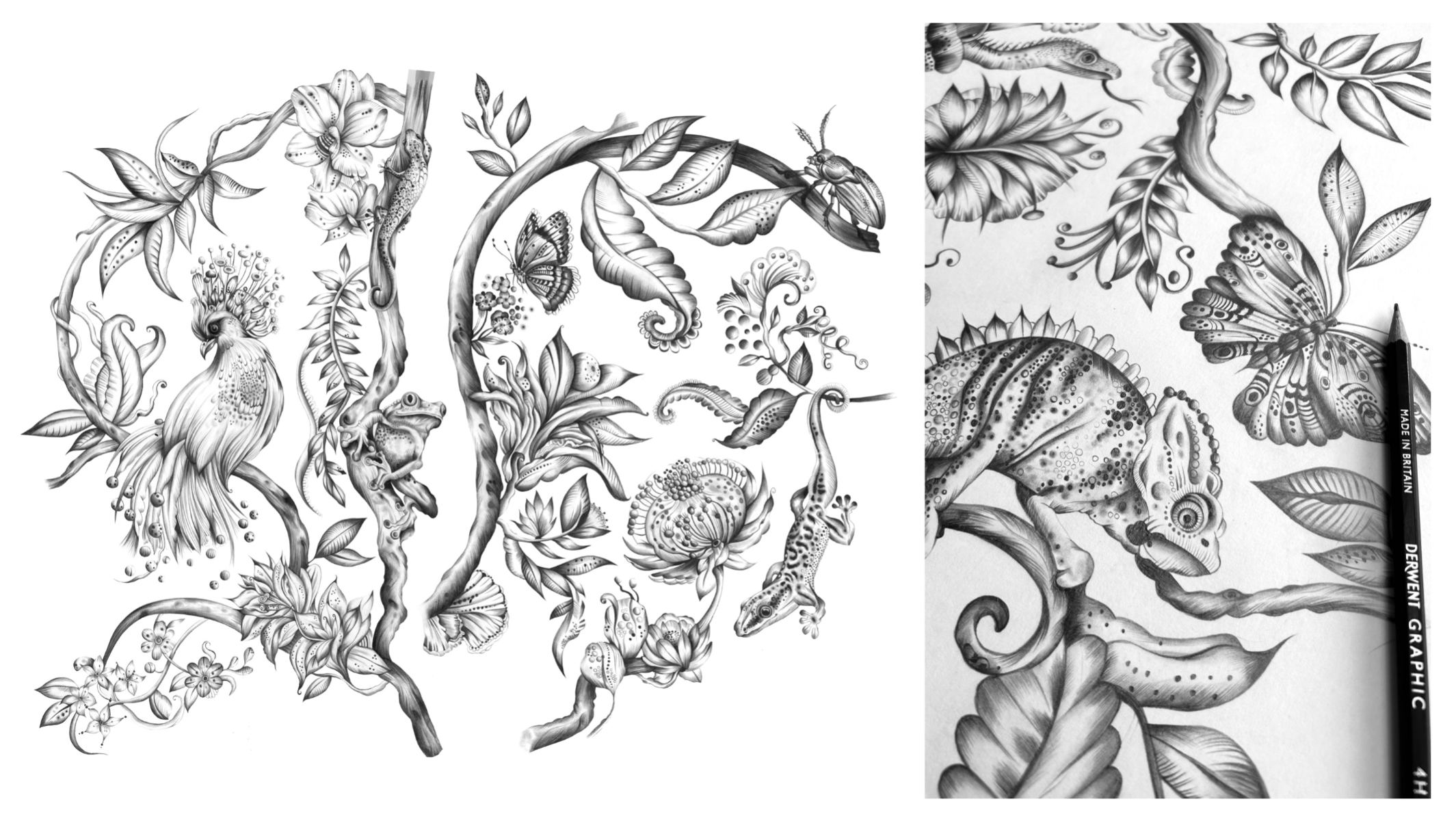
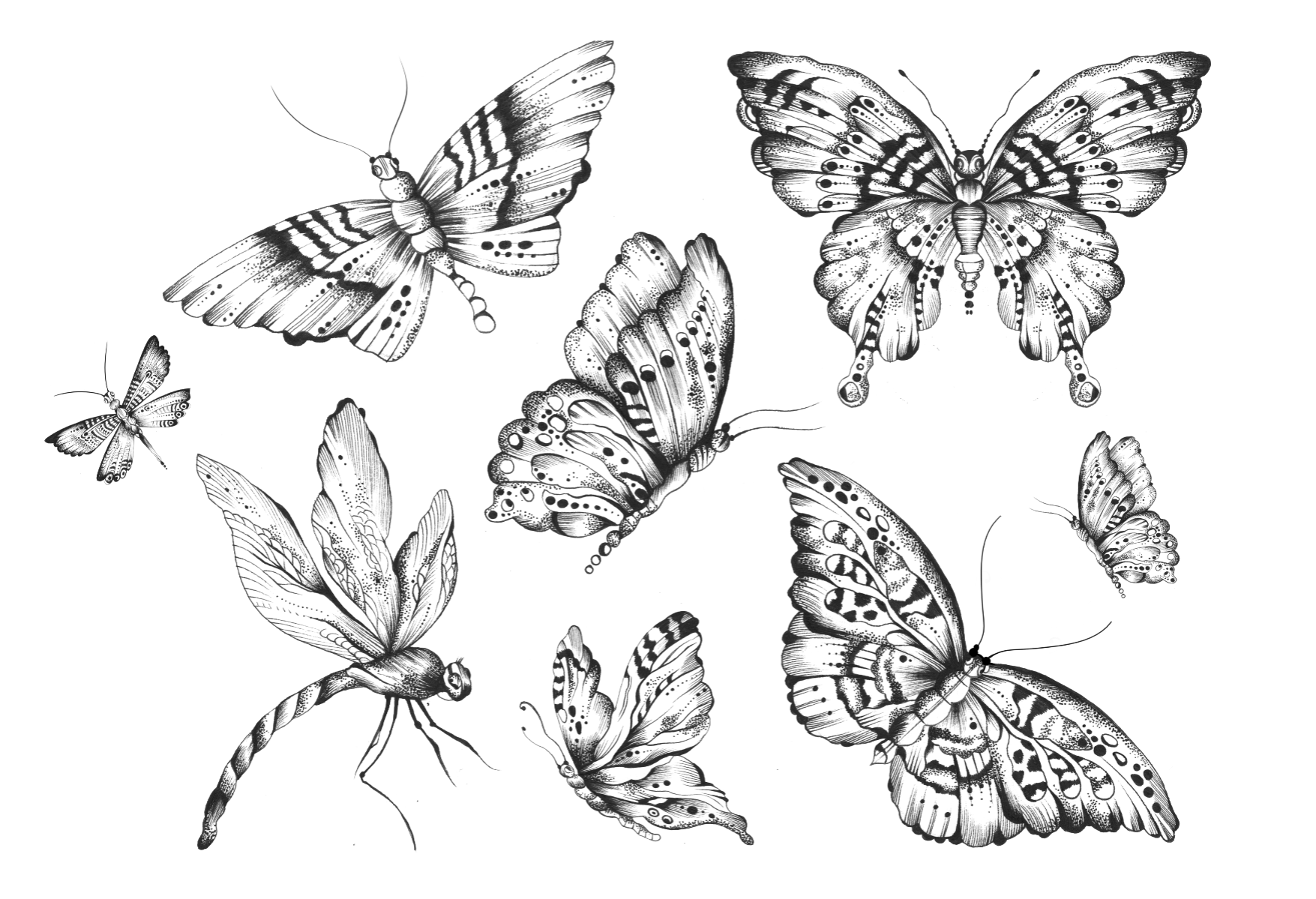
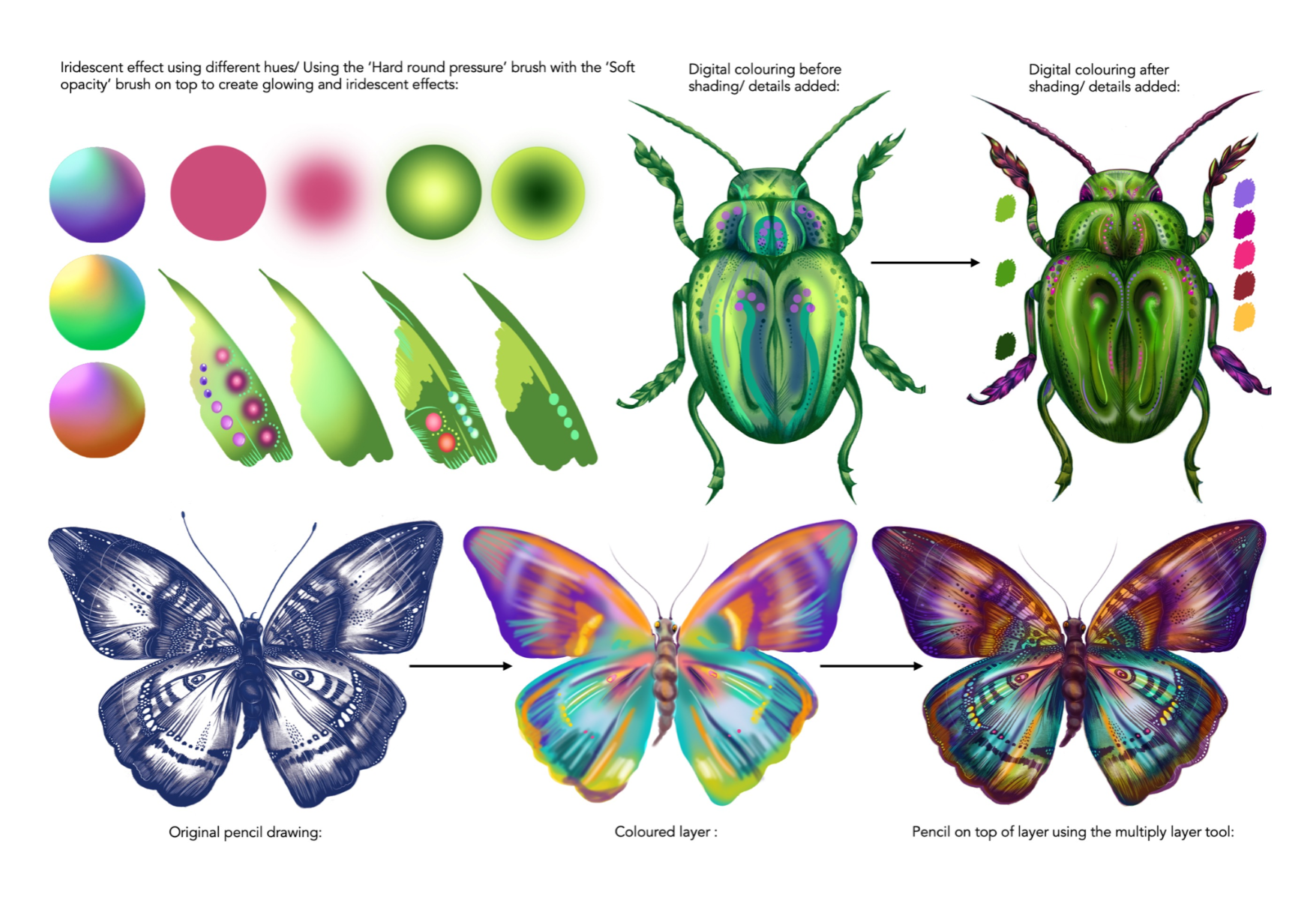
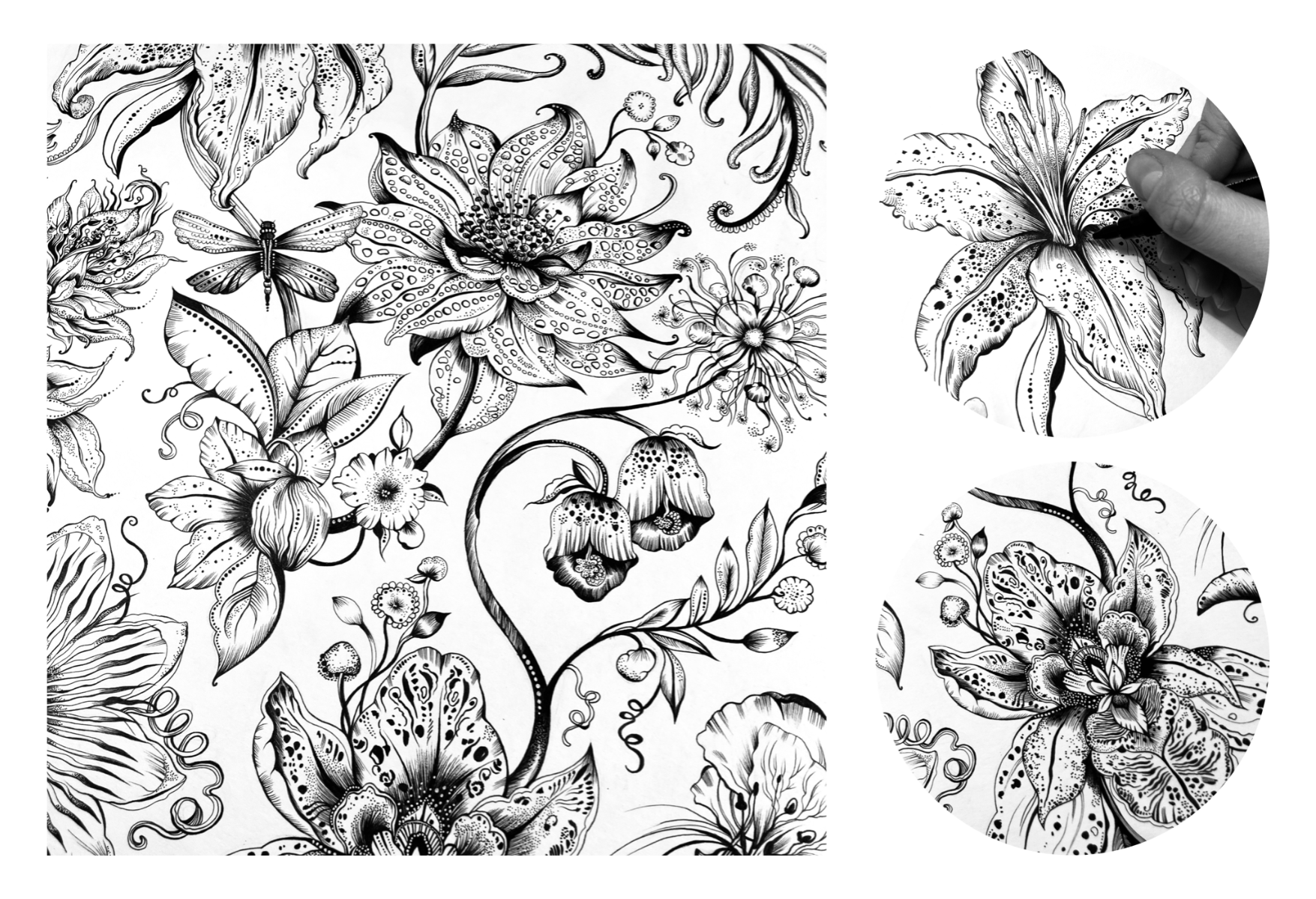
    Designers like Beth Lingard exemplify this balance between human imperfection and technological precision. Her intricate fine liner and pencil drawings explore a variety of marks, textures, and imagined landscapes, capturing the subtle irregularities that give her work personality and depth. While her line work is meticulously hand drawn, she uses digital tools to add colour and enhance her designs, demonstrating how technology can complement rather than replace the human touch. Lingard’s work reflects the 2026 design shift: it celebrates authorship and nuance, showing that intentional imperfection can coexist with the efficiencies of digital production.

    At Premier Digital Textiles, we see this as a sign of design maturity. Technology and craft are not in opposition. They are complementary forces. When supported by the right digital infrastructure, imperfection becomes a strength rather than a risk. It adds character, nuance and emotional resonance.

    In an era defined by speed and efficiency, the human mark stands out more clearly than ever. The future of print and pattern design will not be determined by how perfect it becomes, but by how confidently it embraces the imperfect.

  • Floral botanicals: rethinking scale, emotion and impact in print

    Floral botanicals: rethinking scale, emotion and impact in print

    In Key Directions in Print & Pattern Design 2026, published last month, Elen Hughes of Premier Digital Textiles identifies Floral Botanicals as a defining direction for the year ahead. Florals remain central to print and pattern design, but in 2026 they are bolder, more immersive and technically demanding than ever.


    Floral prints have long been a constant in print and pattern design and always will be, but their role in 2026 has shifted. While botanical motifs remain familiar, the way they are interpreted has evolved. Florals are no longer used simply to decorate a surface. They are being treated as expressive, immersive statements that carry emotion, scale and presence.

    At Premier Digital Textiles, we are seeing designers push botanical imagery beyond traditional boundaries. Oversized blooms dominate compositions, often filling entire surfaces rather than repeating within a small scale. Painterly textures, layered brush marks and hyper-detailed elements add depth and richness, while minimal or understated grounds are used to create contrast and space. This balance between complexity and restraint gives contemporary florals their impact.

    This shift places greater emphasis on how florals are produced, not just how they look. Botanical designs rely heavily on tonal nuance, smooth colour transitions and clarity of detail. Subtle variations in shade create movement and depth, while fine lines and layered textures must remain crisp to retain their expressive quality. Any instability in fabric preparation quickly becomes visible, resulting in uneven colour, loss of definition or flattened imagery.

    From our experience, florals are one of the most technically revealing categories in digital print. They expose weaknesses faster than almost any other motif. This is where digitally prepared fabrics become critical. PrepRITE fabrics are engineered specifically to support digital print, providing a consistent surface and predictable ink behaviour. This allows colour to sit cleanly and evenly, preserving vibrancy and depth across production runs.

    For designers, this technical reliability translates directly into creative freedom. When the fabric performs consistently, they can work confidently at scale, push saturation and explore complex layering without fear of compromise. Painterly effects retain their texture. Oversized forms maintain their drama. Subtle gradients remain smooth and controlled.

    This approach is reflected in Beth Lingard’s work, where floral compositions are rooted in real botanical forms but subtly transformed through imagination. Her blooms retain recognisable structure and detail, yet are elevated with dreamlike additions and luminous, gold-infused tones that introduce a sense of fantasy and emotional depth. The result is a contemporary interpretation of florals that feels both grounded in nature and artistically transcendent — balancing realism with expressive embellishment in a way that captures the immersive spirit of Floral Botanicals in 2026.

    In 2026, florals are no longer defined by softness or nostalgia. They are bold, confident and often slightly surreal. While many designs reflect a desire to reconnect with nature, this connection is increasingly abstract rather than literal. Botanical forms are filtered through a contemporary lens, blending realism with imagination and emotional resonance.

    At Premier Digital Textiles, we see floral botanicals as an opportunity to demonstrate both creative ambition and technical capability. When supported by the right fabric foundation, florals move beyond seasonal trends and become immersive, enduring design statements.

  • Art meets technology: the quiet evolution of digital print in 2026

    Art meets technology: the quiet evolution of digital print in 2026

    Elen Hughes of Premier Digital Textiles explores why mastery, material understanding and restraint now define the most compelling work — a shift examined in PDT Key Directions in Print & Pattern Design 2026 Report, published last month.


    In 2026, technology is no longer the headline in print and pattern design. It is assumed.

    The real differentiator is no longer access to digital tools, but how deeply they are understood and how intelligently they are applied.

    At Premier Digital Textiles, we see a clear shift away from novelty-led digital design towards work that demonstrates control, restraint and confidence in process.

    Digital printing continues to open up new creative possibilities.

    Layering, photographic elements and digitally manipulated effects allow prints to feel rich and immersive.

    Many designs now sit somewhere between image and texture, with surfaces that appear tactile even before they are touched.

    Designers are pushing scale, layering and detail further than ever before. Photographic imagery, painterly marks and complex surface builds increasingly coexist within a single design.

    Digital print has made this possible, but it has also raised expectations. Complexity exposes weakness quickly. Digital processes are precise, but they are unforgiving. Any instability in colour, surface or ink behaviour becomes immediately apparent as designs become more intricate.

    As a result, material choice has become fundamental rather than secondary. Digitally prepared fabrics are no longer a technical afterthought; they are the creative foundation on which advanced digital work is built.

    Consistency in surface chemistry, absorbency and fibre structure governs how inks sit, spread and fix.

    PrepRITE fabrics are engineered specifically to support digital print at this level.

    Controlled absorbency ensures predictable ink penetration and edge definition, while uniform surface preparation supports stable colour response across complex imagery.

    This allows designers to explore high-resolution detail, layered effects and subtle tonal variation without compromising clarity, depth or fabric handle.

    Ink–fabric interaction is equally critical. Balanced ink limits preserve texture, prevent strike-through, and maintain the integrity of both fine detail and large flat colour areas within the same design.

    Resolution and file preparation now demand greater intentionality. Excessive resolution can exaggerate artefacts and noise, while insufficient resolution undermines sharpness and depth.

    Designers who understand the relationship between artwork preparation and output capability achieve clarity without harshness, allowing detail to feel resolved rather than overworked.

    Fixation and finishing processes complete the equation. Controlled fixation is vital to lock in colour depth, fastness and tonal range. Inconsistent fixation can flatten colour, introduce unevenness or compromise durability, issues that become increasingly visible as surface complexity increases.

    From our perspective, the most successful work is often the least demonstrative about its technical sophistication. When fabric preparation, ink interaction and print resolution are properly aligned, technology fades into the background.

    Texture feels intentional rather than accidental. Layering feels deliberate rather than congested. Colour holds its integrity across scale, repeat and application.

    What we are seeing is a more mature relationship between designers and technology. Digital tools are no longer being used simply because they can do something new. They are being used selectively, with a clear understanding of their strengths and limitations. This confidence allows designers to push boundaries without losing control.

    This balance between hand and technology is exemplified in Beth Lingard’s Dusk Till Dawn collection, which blends intricate hand-drawn detail with vibrant, digitally enhanced colour to striking effect. Her work demonstrates how digital processes can elevate, rather than overpower, human artistry — preserving the nuance and individuality of hand-drawn marks while achieving exceptional depth, clarity and colour precision in print.

    In an industry increasingly shaped by automation and AI, collections like this highlight the enduring value of authentic, human-led design supported by carefully applied technology.

    As digital capabilities continue to evolve, the future of print does not lie in chasing the next technical advance for its own sake. It lies in mastering the fundamentals.

    At Premier Digital Textiles, we believe true innovation happens when technology supports creativity quietly and reliably, allowing designers to work with assurance rather than compromise. When that balance is achieved, digital print becomes an extension of creative intent rather than a distraction from it.

  • Print & pattern design trends 2026

    Print & pattern design trends 2026

    In 2026, print and pattern design sits at an interesting crossroads. Technology has never been more advanced, giving designers the ability to create detail, scale and complexity that simply was not possible before. At the same time, there is a clear pull back towards the human hand. Texture, imperfection and emotion matter again.

    Designers are increasingly drawn to work that feels real. Marks that are not perfectly aligned, lines that wobble slightly, surfaces that feel considered rather than automated. These qualities bring warmth and personality, offering a balance to the precision of digital tools and AI.

    Print is no longer just about decoration. It has become a way of telling stories. Patterns now carry emotion, memory and a sense of place. In a fast, highly digital world, these designs offer escapism and imagination. They invite people to slow down, look closer and connect with what they see.


    Key directions in print & pattern design


    Art meets technology

    Digital printing continues to open up new creative possibilities. Layering, photographic elements and digitally manipulated effects allow prints to feel rich and immersive. Many designs now sit somewhere between image and texture, with surfaces that appear tactile even before they are touched.


    Embracing imperfection

    As AI becomes more common in design, imperfection becomes more valuable. Hand drawn marks, uneven lines and organic shapes bring a sense of individuality and intuition. These details are no longer flaws. They are what make a design feel human and distinctive.


    Floral botanicals

    Florals remain a key theme, but they are becoming bolder and more expressive. Oversized blooms, painterly strokes and highly detailed surfaces add drama and depth. Simple backgrounds allow the florals to take centre stage, while textured finishes add another sensory layer.
     

    Mythical animals

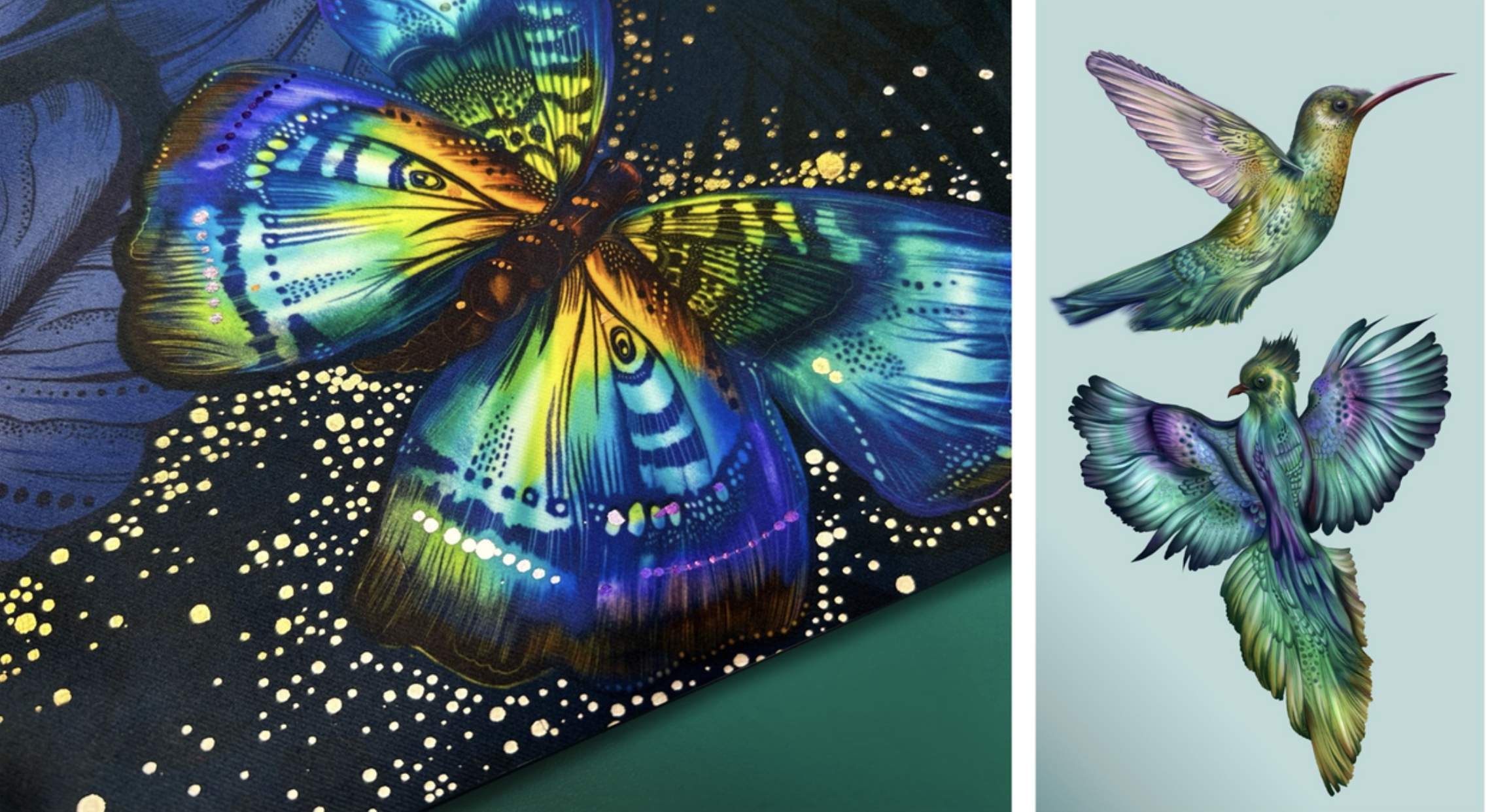
    Animal prints are moving away from literal interpretations. Leopard, snake and hybrid skins are reworked through colour, scale and abstraction. The result is something more imaginative and dreamlike. These designs hint at mythical creatures and imagined landscapes, sitting somewhere between reality and fantasy.


    Pattern clash & layered surfaces

    Maximalism is evolving into something more intentional. Designers are playing with scale, contrast and layering in a way that feels considered rather than chaotic. Unexpected combinations create energy and interest, moving away from predictable matching towards surfaces that feel bold and confident.

    Storytelling motifs

    Print is increasingly used to tell stories. Motifs carry symbolism, emotion and personal meaning. Whether used in interiors, fashion or products, these designs create immersive experiences that feel expressive and emotionally engaging.


    Spotlight: Beth Lingard

    Beth Lingard’s work captures the spirit of our print and pattern design direction in 2026. Her designs explore surreal natural forms, imagined creatures and richly layered textures. Animal and botanical references are transformed into dreamlike scenes that feel both detailed and otherworldly.

    Working with fineliner and pencil, Beth builds intricate drawings filled with marks and textures inspired by imagined landscapes. These are then digitally painted in deep jewel tones, with bursts of colour that bring the work to life. The result is prints that feel immersive and expressive, offering a sense of escape and imagination while retaining a strong human presence.


    Summary

    In 2026, print and pattern design is about more than surface decoration. It is where technology, craft and creativity meet. Imperfection is embraced, layering is used with intention and colour is chosen to bring balance rather than overwhelm. Patterns invite emotion and curiosity, turning fabrics, walls and objects into spaces that feel thoughtful, expressive and alive.


    Colour direction in print & pattern design 2026

    Teal and blue-green tones emerge as quiet constants rather than bold statements. Sitting between nature inspired greens and technology driven blues, these colours feel balanced and grounding. From soft mineral aquas to deeper petrol and algae shades, blue-greens offer calm, versatility and longevity.


    Colour pairing

    Blue-greens work as unifying tones across a palette. They pair easily with warm pinks and muted corals to soften a scheme, while deeper plum tones add contrast and richness. Subtle metallics such as brushed brass or soft gold introduce refinement without overpowering the overall look.


    Print and pattern application

    In print and pattern design, blue-greens tend to work best as base tones rather than dominant colours. Their subtlety allows layered designs, repeating motifs and tonal variation to feel cohesive and timeless within evolving colour palettes.


    Summary

    In 2026, print and pattern design moves beyond decoration. It becomes a way to express emotion, tell stories and explore imagination. Technology and craft work together, imperfection adds character, and colour is used to unify rather than dominate. The result is design that feels considered, human and lasting.

  • Celebrating emerging talent: Premier Digital Textiles at New Designers 2025

    Celebrating emerging talent: Premier Digital Textiles at New Designers 2025

    Premier Digital Textiles proudly launched The Vibrancy in Print Award at the 40th anniversary of New Designers.

    To attend and judge during July’s vibrant two-week showcase of the UK’s most exciting graduate talent at London’s Business Design Centre was a privilege.

    Witnessing so many talented graduates exhibiting their innovative and creative digital textiles work was inspiring.

    Judging and selecting our winner

    We created The Vibrancy in Print Award to celebrate originality, innovation and bold use of colour and detail within digital print.

    Choosing a winner among a wealth of standout textile prints wasn’t easy.

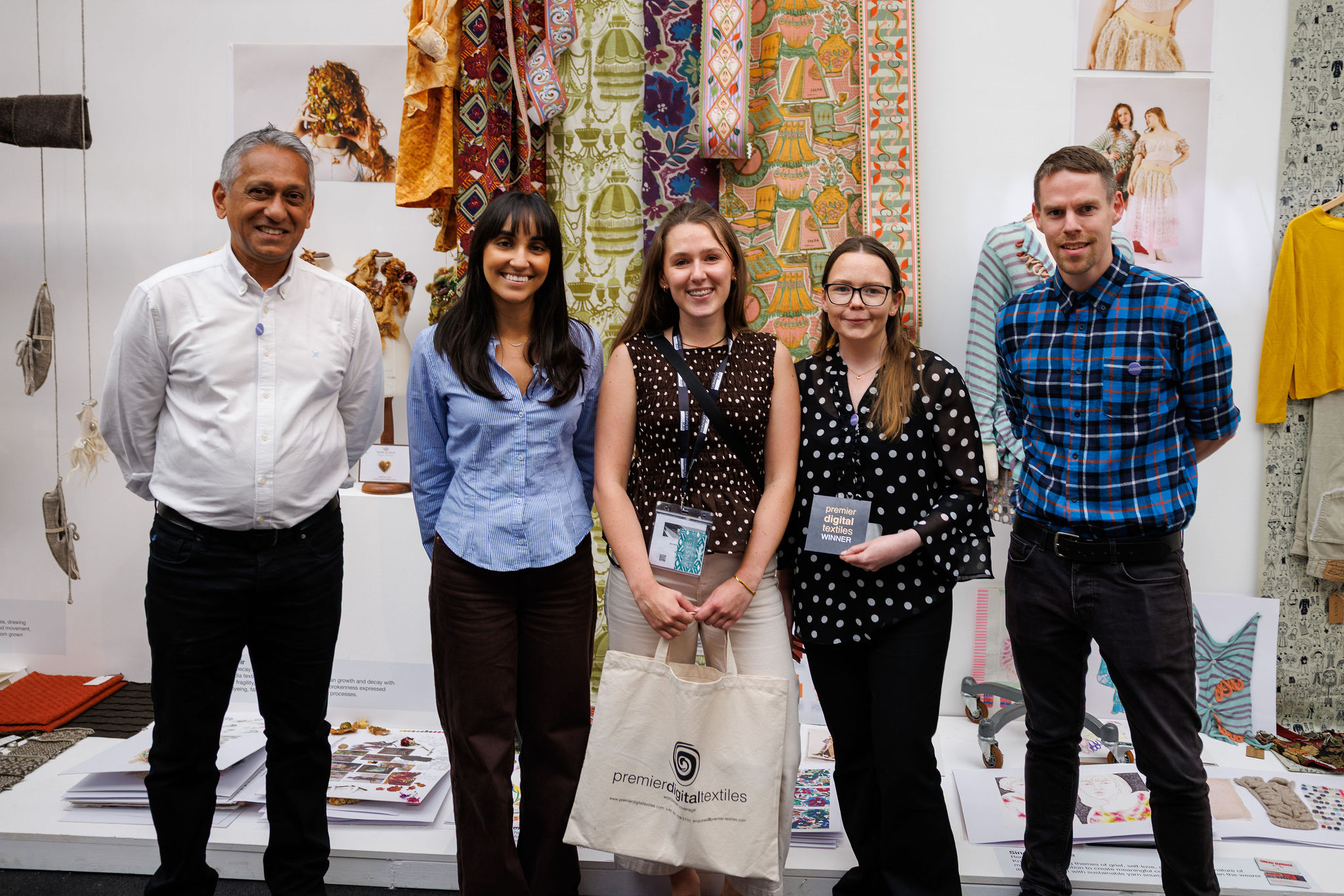
    But after much deliberation between our judging panel it was a delight to announce Beth Lingard , a graduate of Leeds Arts University as the winner.

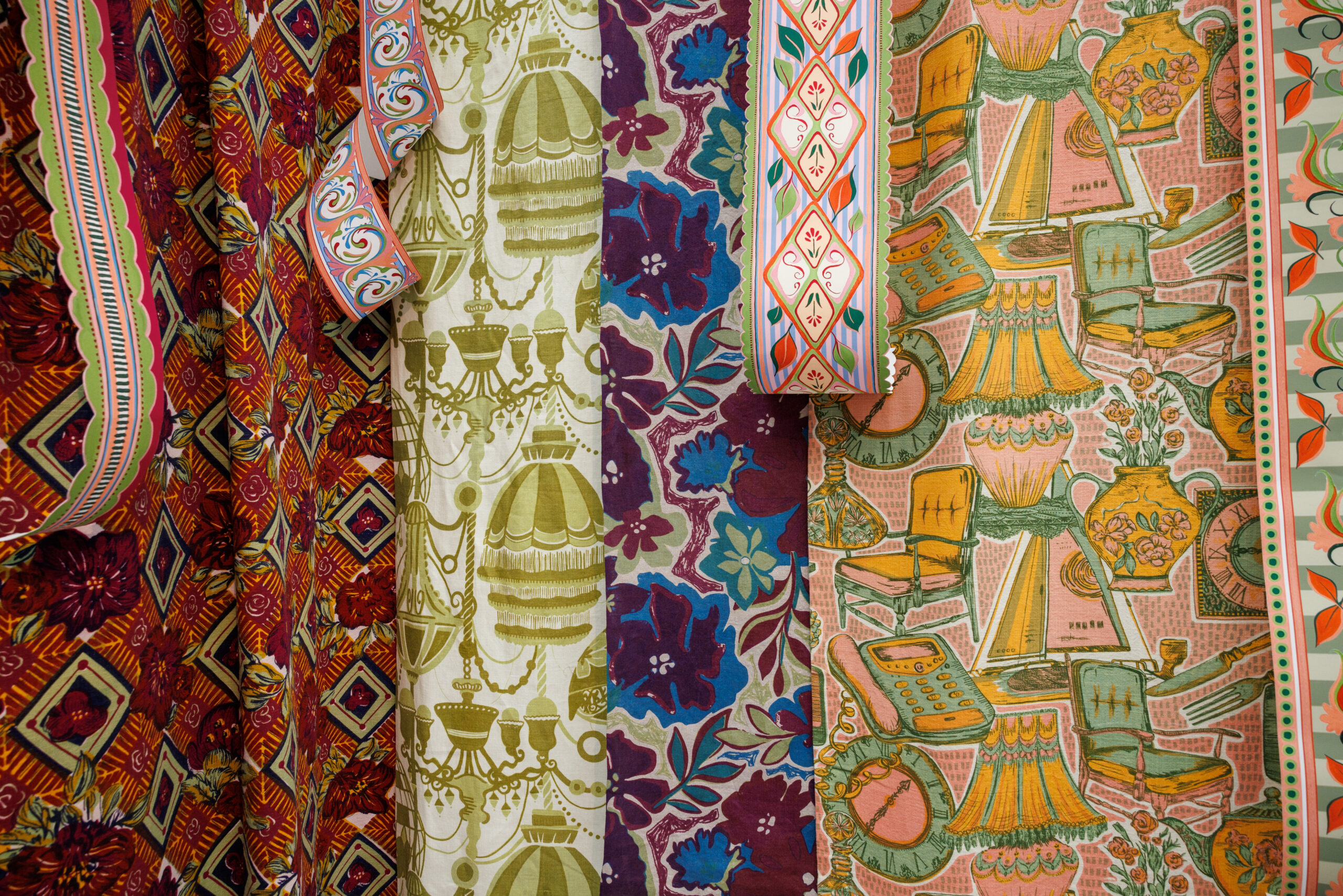
    Beth’s captivating Dusk till Dawn Collection stood out. Her use of colour, detail and digital layering expressed beautifully the shifting moods from dusk to dawn.

    Beth Lingard and her Dusk till Dawn Collection. Photo credit New Designers and Sam Frost Photography.

    Designs that bring stories and emotions to life visually are not easily executed – but Beth’s vibrant, contemporary designs showcased how this can be achieved in digital textile printing.

    As the winner Beth landed a £500 cash prize, ongoing mentoring, an exclusive New Designer Spotlight interview, the opportunity to be showcased in OEM demo and experience centres worldwide along with £500 worth of our PrepRITE fabric and print time.

    Highly commended graduates

    While Beth took the top spot, we were also genuinely impressed by two other graduates who demonstrated exceptional creativity and skill.

    Robyn Tilsley – Electric Bloom Collection

    Robyn Tilsley , a graduate of De Montfort University , is the creative force behind Electric Bloom — a bold and playful collection that fuses heritage floral motifs with earthy tones and vibrant pops of electric colour. Her work blends traditional craft aesthetics with contemporary digital design, showcasing a strong emphasis on repeat patterns and innovative print techniques.

    Another creative journey we look forward to seeing unfold is that of Rebecca Meanwell Designs , a University of Staffordshire graduate. Rebecca’s Indoor Garden collection used soft, layered prints inspired by nature and interiors — showing a sensitive and confident use of colour and print techniques.

    Rebecca Meanwell – The indoor Garden Collection.

    Selecting the winner and highly commended graduates was tough due to the overall standard of work being so high.

    But while tough, it was also highly rewarding.

    Investing in the future of textile design

    The process of launching The Vibrancy in Print Award and engaging with emerging designers has further reinforced Premier Digital Textiles’ commitment to supporting our industry’s future talent.

    Without fresh perspectives, bold ideas and innovative use of digital print technology our sector will not forward with as much purpose and vibrancy.

    Personal reflections on New Designers 2025

    I left New Designers feeling energised and inspired.

    Meeting the graduates in person gave me a true sense of their passion, dedication and curiosity. The atmosphere throughout was one of excitement and there was an infectious fearless spirit of creativity and ambition.

    New Designers 2025.

    A standout for me was how confidently these emerging designers embraced digital technology — not just as a tool, but as a powerful medium to express ideas and challenge traditional boundaries.

    It reinforced how important it is to support and nurture new waves of talent. Helping them bring their visions to life and make their mark on a global stage.

    For Premier Digital Textiles to play a part in that journey is one myself, our judging panel and company are super proud of.

    As for Beth, Robyn, Rebecca and all the brilliant graduates who showcased their work to us – we can’t wait to see how your journeys unfold.

  • Future Fabrics Expo 2025: Post-show reflections

    Future Fabrics Expo 2025: Post-show reflections

    A glimpse into the future of sustainable textiles

    Celebrating its 15th year, Future Fabrics Expo 2025 once again proved why it’s the go-to destination for cutting-edge innovation in sustainable fashion and textiles.  Hosted at Magazine London, this year’s two-day event brought together a vibrant mix of pioneering suppliers, forward-thinking designers and critical discussions around the future of materials — and we were proud to be part of it.

    The 10,000-plus responsibly produced textiles on display — ranging from fashion to interiors — left the 2,000 visitors who attended in awe. For Premier Digital Textiles, it was a fantastic opportunity to present our latest innovations to an audience committed to reshaping the industry.

    Explore our latest sustainable textile innovations

    • Pigment-coated GOTS-certified organic cottons.
    • Eco-polyesters made from post-consumer bottles, enhanced with REPREVE® recycled fibre technology. These fabrics also incorporate FiberPrint® DNA traceability, embedded in the fibres for secure, science-based supply chain verification.

    All our featured fabrics were on display to see, touch, and source — emphasising how sustainability feels and performs.

    Traceability in a new era

    One of the most talked-about themes of the Expo came from the Seminar Series, where global experts and thought leaders tackled the evolving landscape of traceability. With the rise of AI making it easier to forge digital certifications, attention is shifting to physical traceability, such as DNA markers embedded directly into fibres. This revolutionary approach allows manufacturers and brands to verify fibre origin scientifically — even after printing or processing — and adds a new layer of protection against counterfeiting. It’s a step forward for transparency, trust and accountability across the supply chain.

    From fabric to full lifecycle thinking

    The Expo didn’t just present fabrics — it showcased the entire lifecycle of textiles, especially within digital printing. Exhibitors addressed eco-friendly inks, energy-efficient finishing processes and circular end-of-life solutions. This signifies a change where high-quality digital textiles are not only aesthetically pleasing and practical but also designed with sustainability in mind, from conception to completion. It underscores that genuine sustainability is not a single decision, but rather a progression of superior choices throughout the entire value chain.

    Attention on bio-based innovations

    This year, several bio-based materials stole the spotlight, including:

    • Nettle textiles
    • Hemp textiles
    • Banana tree fibre
    • Orange and pineapple-derived fabrics
    • Next-gen regenerative wool

    These innovative solutions are setting a new standard for circular, waste-based textiles, demonstrating that beauty and sustainability can coexist. It will be fascinating to observe their integration into the printing industry and how Premier Digital Textiles will incorporate these fabrics into their future collections.

    Final thoughts

    More than a sourcing event, the Future Fabrics Expo continues to be a major platform for progress. It urges the fashion and textile sectors to foster deeper thinking, take swifter action and improve collaboration to achieve a more transparent and cleaner future.

    Whether you’re a designer, buyer or sustainability advocate, the Expo offers both inspiration and tangible solutions for a cleaner, more transparent and innovative future

    As a flagship event of London Climate Action Week 2025 (#LCAW25), this year’s Expo didn’t just showcase the future — it helped build it.

    And Premier Digital Textiles were honoured to be part of the conversation.

  • Showcasing our sustainable fabrics at Future Fabrics Expo 2025

    Showcasing our sustainable fabrics at Future Fabrics Expo 2025

    Exciting news! We will be showcasing our collection at Future Fabrics Expo 2025, the premier destination for sustainable and ethical materials in the fashion, home and interiors industries.

    Aligning with this year’s focus on eco-conscious design and innovation, we are delighted to unveil a handpicked assortment of fabrics.

    These materials are not only aesthetically pleasing and highly functional but also meticulously sourced and produced with sustainability as a guiding principle.

    What’s new?

    In response to growing demand for sustainable textiles, we expanded our organic cotton range in late 2024. 

    This included the development and launch of a GOTS-certified pigment-coated organic cotton specifically designed for digital printing, combining high quality with sustainability and innovation.

    Product launch: 2260 Eco Plain GOTS-certified pigment-coated

    We’re proud to launch our new 2260 Eco Plain at this year’s Expo:

    • Woven with GOTS-certified organic cotton yarns
    • Fully pigment-coated and GOTS-certified
    • Lightweight with a soft handle and drape
    • Perfect for conscious designers seeking style and sustainability.

    Also on display:

    • 2327 Eco Bebe Double Gauze Fully GOTS-certified pigment-coated– a beautifully soft, breathable fabric.

    Explore our range of PFP (Uncoated) GOTS organic fabrics – which we are gradually transitioning to fully certified pigment-coated options.

    • 2348 Eco Poplin – Tight weave with a smooth surface and crisp handle
    • 6985 Eco Satin – Lightweight with a luxurious sheen and smooth finish
    • 2386 Eco Twill – Durable diagonal weave with recycled content from post-consumer
    • waste
    • 2218 Eco Half Panama – Medium-weight with subtle texture, versatile and durable
    • 2886 Eco Half Panama – Heavy-weight version with the same textured quality
    • 6903 Eco Drill – Strong medium-weight fabric with a distinctive diagonal twill weave

    Sustainable polyesters with REPREVE®

    Our eco-polyester range is made from post-consumer plastic bottles, embedded with FiberPrint® DNA markers for complete traceability and authenticity.

    • 2331 Eco Freemont – Linen-look polyester with medium weight
    • 2566 Eco Columbus – Plain half Panama with a cotton-like feel
    • 2569 Eco Toledo – Heavy-weight half Panama polyester, also with a cotton-like texture

    Experience the fabrics firsthand

    Our fabrics will be displayed on hangers, allowing you to see, touch  and feel the quality in person.

    Whether you’re a designer searching for standout sustainable materials or a brand ready to push your environmental goals forward, our collection is designed to inspire your next creation.

    We can’t wait to meet you at Future Fabrics Expo 2025.

  • FESPA 2025: Sustainability, Personalisation & Cutting-Edge Innovation

    FESPA 2025: Sustainability, Personalisation & Cutting-Edge Innovation

    Premier Digital Textiles’ Elen Hughes reflects on an inspirational global event in Berlin.


    The FESPA Global Print Expo convened the international print industry to discuss the future of the sector.

    An invigorated 2025 event focussed on screen, digital, large format and textile printing.

    It took place May 6–9 at Messe Berlin and also covered sustainability, personalisation, innovation, fostering a strong sense of community and collaboration.

    Toby Lunn and Mitesh Patel of Premier Digital Textiles, along with myself, attended.

    Our objectives were to connect with partners, discover the latest industry advancements and introduce our innovative PrepRITE™ fabric range.


    PrepRITE™ – an industry milestone

    The PrepRITE™ fabrics were showcased at live demonstrations in collaboration with industry OEMs such as EPSON, Mimaki, Klieverik, Monti Antonio, HP and d.gen.

    These demos highlighted the ability of PrepRITE™ fabrics to improve print quality across various ink technologies, including sublimation, pigment and latex.

    The launch of the PrepRITE™ fabrics collection marks an exciting milestone for Premier Digital Textiles and the industry.

    The range is designed for markets ranging from home furnishings and interiors to apparel and personalisation.

    And offers various weaves, weights, constructions and compositions, all designed to help transform creative concepts into exceptional printed products.

    Its proven compatibility with a wide array of OEM printers makes it a go-to solution for businesses seeking consistency and quality as well as excellent print results.


    Insight and inspiration

    Beyond the technology, what truly stood out at FESPA 2025 was the collaborative energy.

    Premier Digital’s presence across multiple OEM booths reflected not only strong partnerships but also a shared commitment to driving textile printing forward.

    A huge thank-you to our OEM partners for showcasing what’s possible when innovation meets quality fabric preparation.

    In summary, FESPA 2025 delivered innovation, insight and inspiration.

    It served as a key platform for professional development and for reconnecting.

    And it was a chance for the industry to reconnect, recharge and reimagine what’s possible in a rapidly evolving market.

    We look forward to continuing the conversation in 2026 – Barcelona, here we come!