

Elen Hughes of Premier Digital Textiles explores why mastery, material understanding and restraint now define the most compelling work — a shift examined in PDT Key Directions in Print & Pattern Design 2026 Report, published last month.
In 2026, technology is no longer the headline in print and pattern design. It is assumed.
The real differentiator is no longer access to digital tools, but how deeply they are understood and how intelligently they are applied.
At Premier Digital Textiles, we see a clear shift away from novelty-led digital design towards work that demonstrates control, restraint and confidence in process.
Digital printing continues to open up new creative possibilities.
Layering, photographic elements and digitally manipulated effects allow prints to feel rich and immersive.
Many designs now sit somewhere between image and texture, with surfaces that appear tactile even before they are touched.
Designers are pushing scale, layering and detail further than ever before. Photographic imagery, painterly marks and complex surface builds increasingly coexist within a single design.
Digital print has made this possible, but it has also raised expectations. Complexity exposes weakness quickly. Digital processes are precise, but they are unforgiving. Any instability in colour, surface or ink behaviour becomes immediately apparent as designs become more intricate.
As a result, material choice has become fundamental rather than secondary. Digitally prepared fabrics are no longer a technical afterthought; they are the creative foundation on which advanced digital work is built.
Consistency in surface chemistry, absorbency and fibre structure governs how inks sit, spread and fix.
PrepRITE fabrics are engineered specifically to support digital print at this level.
Controlled absorbency ensures predictable ink penetration and edge definition, while uniform surface preparation supports stable colour response across complex imagery.
This allows designers to explore high-resolution detail, layered effects and subtle tonal variation without compromising clarity, depth or fabric handle.
Ink–fabric interaction is equally critical. Balanced ink limits preserve texture, prevent strike-through, and maintain the integrity of both fine detail and large flat colour areas within the same design.
Resolution and file preparation now demand greater intentionality. Excessive resolution can exaggerate artefacts and noise, while insufficient resolution undermines sharpness and depth.
Designers who understand the relationship between artwork preparation and output capability achieve clarity without harshness, allowing detail to feel resolved rather than overworked.
Fixation and finishing processes complete the equation. Controlled fixation is vital to lock in colour depth, fastness and tonal range. Inconsistent fixation can flatten colour, introduce unevenness or compromise durability, issues that become increasingly visible as surface complexity increases.
From our perspective, the most successful work is often the least demonstrative about its technical sophistication. When fabric preparation, ink interaction and print resolution are properly aligned, technology fades into the background.
Texture feels intentional rather than accidental. Layering feels deliberate rather than congested. Colour holds its integrity across scale, repeat and application.
What we are seeing is a more mature relationship between designers and technology. Digital tools are no longer being used simply because they can do something new. They are being used selectively, with a clear understanding of their strengths and limitations. This confidence allows designers to push boundaries without losing control.
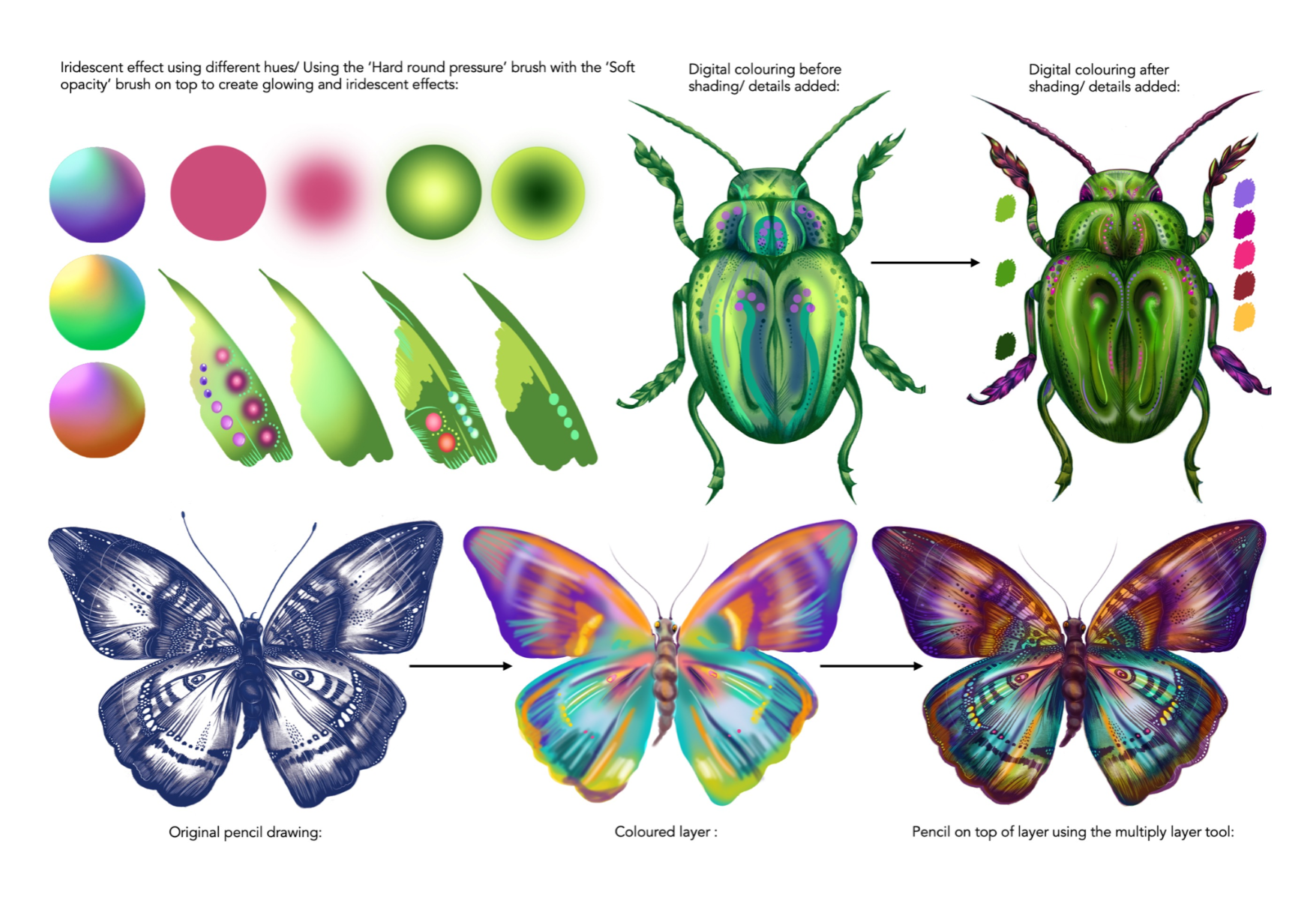
This balance between hand and technology is exemplified in Beth Lingard’s Dusk Till Dawn collection, which blends intricate hand-drawn detail with vibrant, digitally enhanced colour to striking effect. Her work demonstrates how digital processes can elevate, rather than overpower, human artistry — preserving the nuance and individuality of hand-drawn marks while achieving exceptional depth, clarity and colour precision in print.
In an industry increasingly shaped by automation and AI, collections like this highlight the enduring value of authentic, human-led design supported by carefully applied technology.
As digital capabilities continue to evolve, the future of print does not lie in chasing the next technical advance for its own sake. It lies in mastering the fundamentals.
At Premier Digital Textiles, we believe true innovation happens when technology supports creativity quietly and reliably, allowing designers to work with assurance rather than compromise. When that balance is achieved, digital print becomes an extension of creative intent rather than a distraction from it.