

As automation reshapes creative workflows, imperfection is emerging as a defining force in 2026 print and pattern design. In this piece, Elen Hughes of Premier Digital Textiles examines why technical control is essential to preserving human character in an increasingly automated landscape.
As automation and artificial intelligence become increasingly embedded in creative workflows, imperfection has emerged as one of the most significant design values shaping 2026. Imperfection does not necessarily mean flawed; rather, it reflects how the hand is used, the deliberate pressure, rhythm and variation that bring character and individuality to a design. What we are seeing from designers is not a rejection of technology, but a recalibration of it. The conversation is shifting from what digital tools can perfect to what they must deliberately leave untouched.
This article aligns with the broader themes explored in ‘Art Meets Technology: The Quiet Evolution of Digital Print in 2026’, particularly the emphasis on material discipline, technical mastery and the intelligent use of digital tools. However, while that piece focuses on control, precision and the foundations that allow complex digital work to succeed, this article examines a different yet complementary shift: the deliberate embrace of imperfection as a creative value. Together, they reflect two sides of the same evolution in 2026 design, one centred on technical refinement and the other on expressive authenticity, both supported by a mature understanding of technology rather than driven by it.
Across interiors, fashion and surface design, hand drawn marks, irregular line work and organic textures are being reintroduced with intention. These elements interrupt uniformity. They create pause. They signal authorship. In a digital environment where smooth gradients and flawless repeats are easily achieved, imperfection becomes a conscious design choice rather than an oversight.

This shift reflects something deeper than aesthetics. Designers are responding to a broader cultural desire for authenticity. As AI-generated imagery becomes more prevalent, the value of the human hand increases. Irregularity, subtle asymmetry and tactile texture communicate intuition and individuality. They tell the viewer that a design has been considered, shaped and refined by a person rather than generated at scale.
However, from a production perspective, imperfection presents a technical challenge. Irregularity only works when it is intentional and controlled. Without the right fabric preparation, subtle design nuances can quickly become unintended flaws. Uneven ink absorption, inconsistent colour density or surface instability can distort delicate hand drawn elements and flatten organic textures.
This is where digitally prepared fabrics become critical. At Premier Digital Textiles, PrepRITE fabrics are engineered specifically for digital print, providing predictable ink behaviour and consistent surface performance. This reliability allows imperfect elements to be reproduced faithfully. Fine lines remain defined. Layered textures retain their character. Organic marks hold their subtle variation without breaking down across repeat runs.
There is nothing accidental about successful imperfection. It requires technical discipline to preserve the integrity of irregular forms. When the base fabric behaves consistently, designers can confidently incorporate hand drawn elements and expressive distortions without compromising clarity or repeat accuracy.
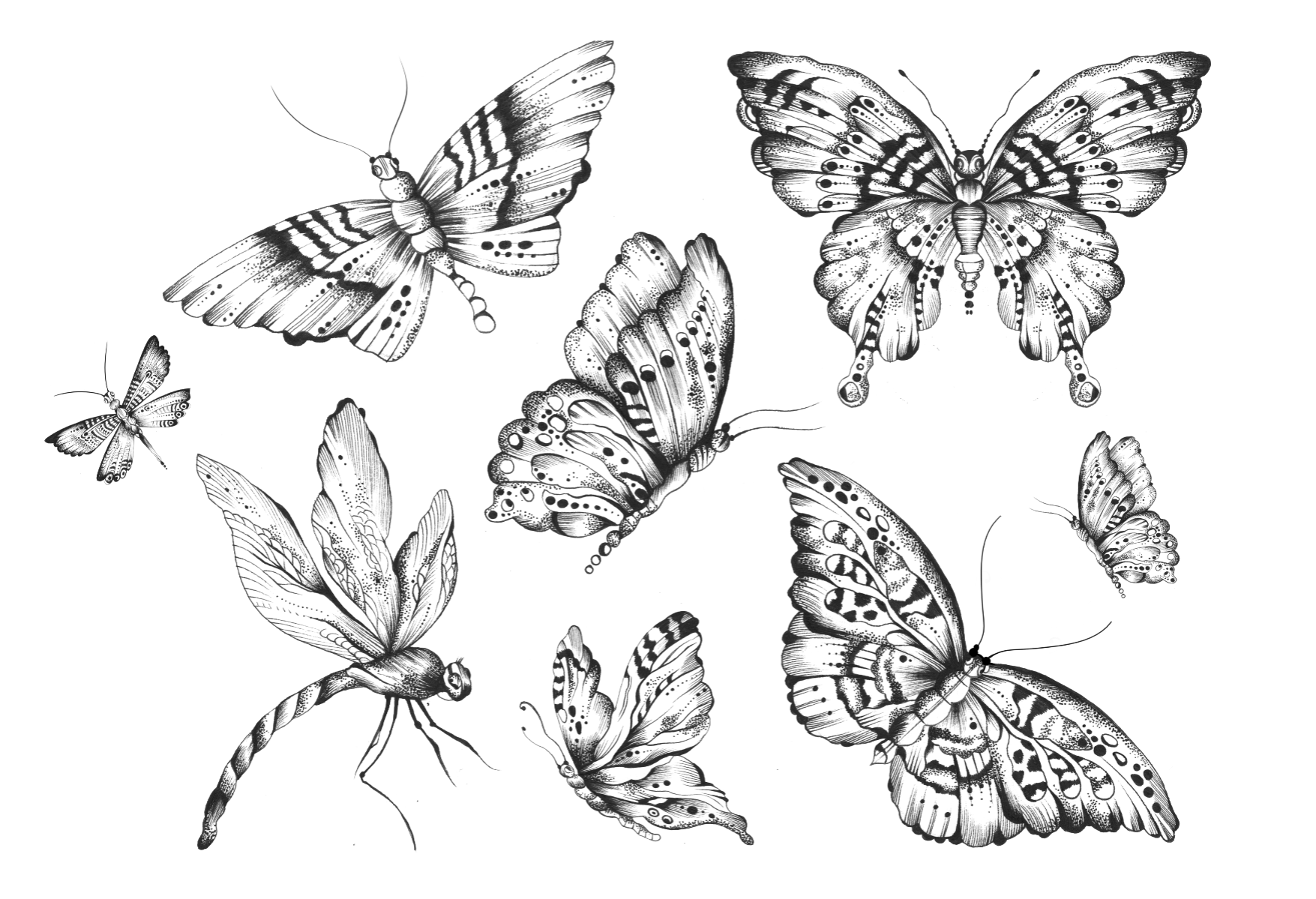
In 2026, imperfection is not about roughness for its own sake. It is about intention. It is about balancing precision with personality. Designers are choosing imperfection as a way to reintroduce warmth and emotional depth into an increasingly automated visual culture.
Designers like Beth Lingard exemplify this balance between human imperfection and technological precision. Her intricate fine liner and pencil drawings explore a variety of marks, textures, and imagined landscapes, capturing the subtle irregularities that give her work personality and depth. While her line work is meticulously hand drawn, she uses digital tools to add colour and enhance her designs, demonstrating how technology can complement rather than replace the human touch. Lingard’s work reflects the 2026 design shift: it celebrates authorship and nuance, showing that intentional imperfection can coexist with the efficiencies of digital production.
At Premier Digital Textiles, we see this as a sign of design maturity. Technology and craft are not in opposition. They are complementary forces. When supported by the right digital infrastructure, imperfection becomes a strength rather than a risk. It adds character, nuance and emotional resonance.
In an era defined by speed and efficiency, the human mark stands out more clearly than ever. The future of print and pattern design will not be determined by how perfect it becomes, but by how confidently it embraces the imperfect.