
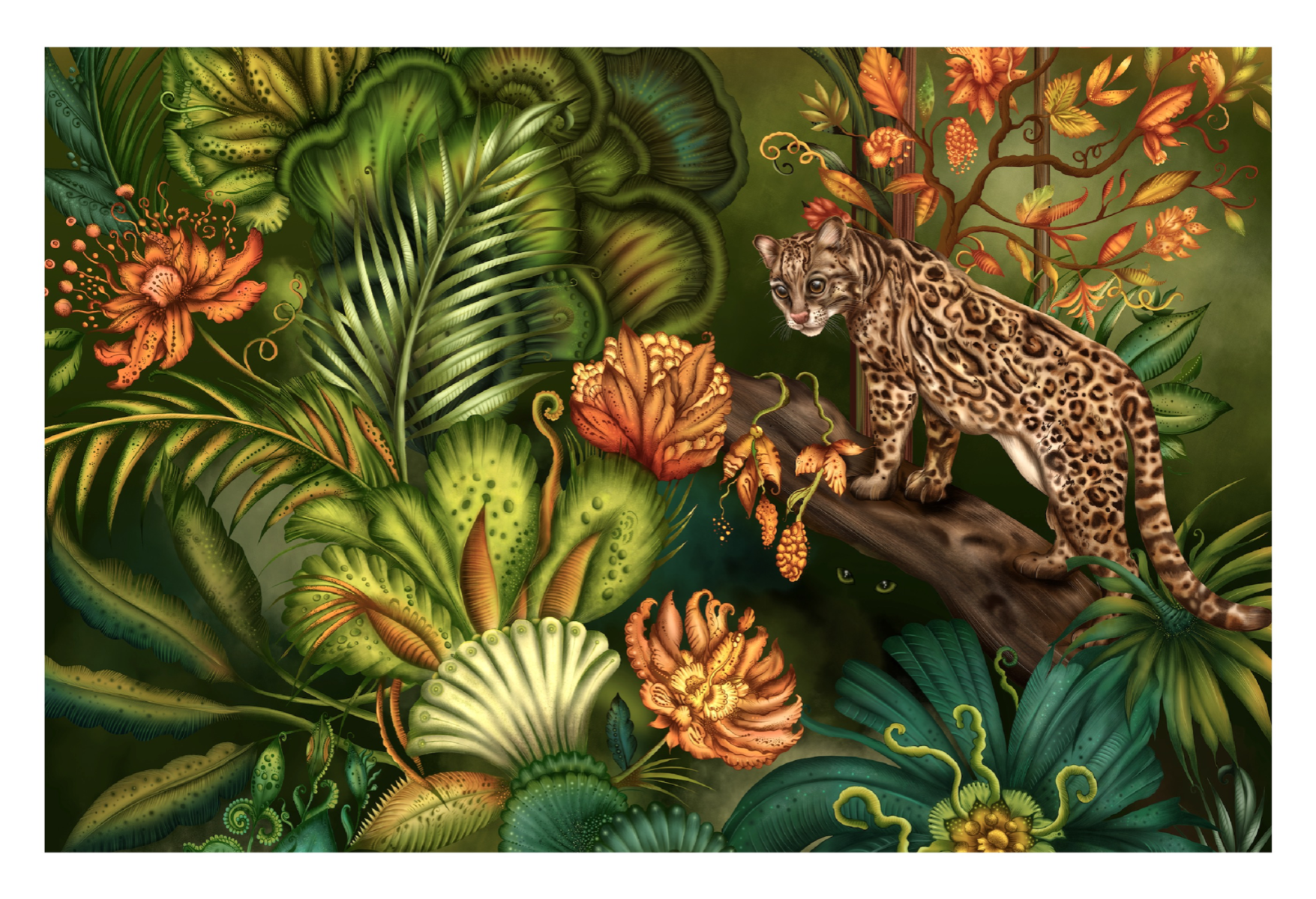
Elen Hughes of Premier Digital Textiles examines how print is evolving into a narrative medium in 2026, and why technical precision in digital production is essential to preserving the mood, meaning and emotional depth embedded within storytelling motifs.
In 2026, print is no longer being asked simply to decorate a surface. It is increasingly expected to carry meaning. Across interiors, fashion and product design, motifs are doing more than adding colour or visual interest. They are being used to suggest memory, evoke place, reference folklore, build atmosphere and create emotional connection.
At Premier Digital Textiles, we see this shift in the designs entering production. Storytelling motifs are rarely straightforward repeats. They are often layered, nuanced and carefully constructed, combining fine line work, tonal variation and symbolic imagery in ways that reward closer attention. The surface becomes more than a backdrop. It becomes part of the message.
This matters because audiences are increasingly drawn to work that feels personal, expressive and open to interpretation. In an environment saturated with imagery, surfaces that offer narrative depth stand apart. Rather than delivering everything instantly, they invite the viewer to pause, look again and form their own connection with what they see. That slower form of engagement has become more valuable.
Storytelling through print can take many forms. A motif may suggest a landscape without describing it literally. It may draw on botanical or animal references to imply a wider world of symbolism. It may use recurring details to create a sense of memory or mood. It may build an imagined setting through layered imagery that feels more emotional than descriptive. What links these approaches is that the print is doing more than filling space. It is carrying atmosphere, association and intent.
From a production perspective, that kind of narrative work is highly demanding. Meaning in print often depends on subtle relationships. Fine lines, delicate textures and carefully judged colour shifts all contribute to tone and interpretation. If those elements do not survive production intact, the story weakens.
A softened edge is not just a technical flaw. It can reduce clarity in the imagery and weaken symbolic detail. A flattened tonal transition does not simply affect aesthetics. It can change the mood of the design. Unexpected shifts in colour balance may disrupt the emotional register of the piece, making it feel colder, flatter or less resolved than intended. In narrative-driven work, technical inconsistency does not just affect finish. It affects meaning.
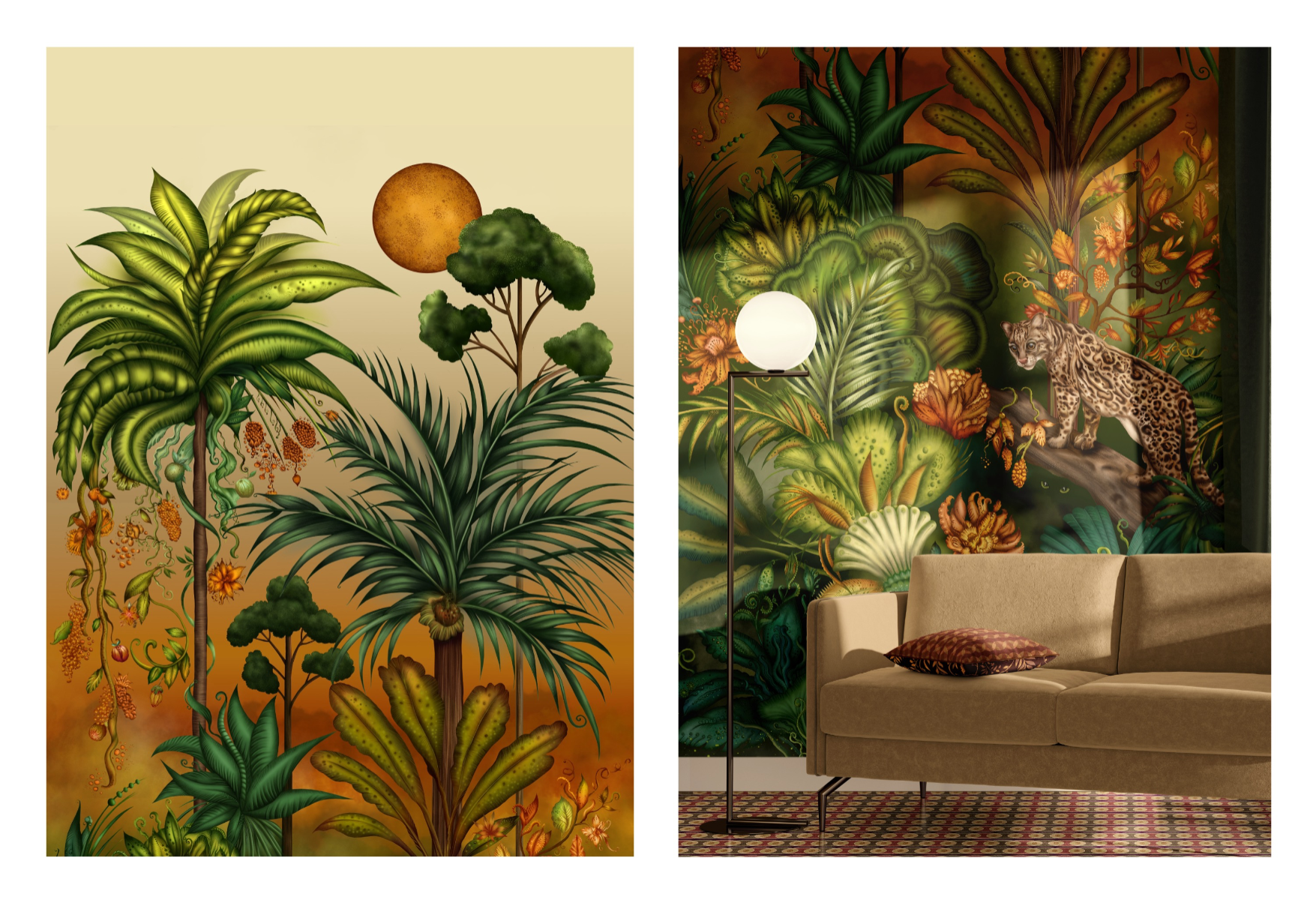
This is why fabric preparation becomes so important. Digitally prepared fabrics such as PrepRITE provide the consistency needed to support highly detailed storytelling surfaces. Engineered specifically for digital print, they deliver predictable ink behaviour and stable surface performance, helping ensure that line work, tonal nuance and colour relationships remain intact across runs.
That consistency gives designers confidence. Intricate imagery holds together. Tonal gradations remain smooth. Repeated motifs retain their structure and emphasis. More importantly, the emotional cues embedded in the design have a better chance of reaching the finished textile intact. The story remains legible, even when it is subtle.
From our perspective, storytelling through print is one of the clearest signs of how surface design is evolving. As digital tools allow greater complexity, designers are not only using them to increase detail. They are using them to deepen meaning. Print becomes a visual language, capable of suggesting memory, imagination and emotion through composition and materiality.
At its best, this kind of work does not reveal itself all at once. It rewards attention. It invites interpretation rather than instruction. The viewer is not simply expected to admire the surface, but to spend time with it. That changes the role of print in a meaningful way. It becomes immersive rather than decorative.
Beth Lingard’s work reflects this shift towards narrative-led print with particular clarity. Her designs often draw on symbolic imagery, natural forms and imagined landscapes, layered in ways that suggest mood and memory rather than literal description. Fine line details and carefully modulated colour palettes create a sense of atmosphere, allowing the viewer to uncover meaning gradually rather than all at once. In Lingard’s work, print becomes a quiet form of storytelling, where each motif contributes to a wider emotional landscape, demonstrating how narrative depth can be embedded within the surface without overwhelming.
In 2026, storytelling motifs are helping define a more emotionally intelligent approach to print and pattern design. When creative intent is supported by technical precision, surfaces can do more than attract attention. They can hold it, deepen it and stay with the viewer long after the first impression has passed.